






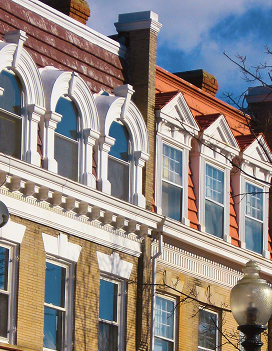

A stronger mortar is not automatically a better mortar. In fact, on a historic brick wall, choosing the harder material can put the original brick at greater risk. The mortar and brick were meant to work together, and the wrong combination can shift the wear onto the very masonry you are trying to preserve. For […]
Tuckpointing
Signs Your DC Rowhouse Needs Tuckpointing: What to Look For

Most homeowners notice something is wrong with their brickwork before they know what to call it. Crumbling mortar, white staining, loose bricks, and damp walls are all potential signs your DC rowhouse needs tuckpointing. Those changes are easy to dismiss as ordinary aging, even though they may indicate mortar that has reached the end of […]
Tuckpointing vs. Repointing: What DC Homeowners Should Know
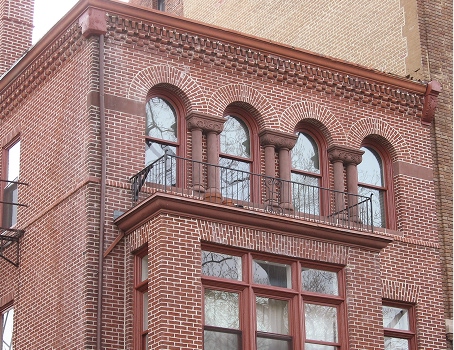
Homeowners researching tuckpointing vs repointing while planning brick repair in Washington, DC, quickly notice that some contractors use one term over the other. The difference in wording has led to plenty of unnecessary confusion, especially when both appear to describe the same type of masonry repair. In American masonry, they generally do. After more than […]
Tuckpointing Cost in Washington, DC: Factors That Affect Your Estimate

How much does tuckpointing cost in Washington, DC? It is one of the first questions homeowners ask, and the answer depends on the property. Historic masonry repairs vary according to the building’s condition, repair area, access, materials, and related masonry work. This article focuses specifically on the factors that affect tuckpointing cost. If you are […]
Signs Your Washington, DC Rowhouse Needs Tuckpointing

Washington is known for its extensive collection of nineteenth- and early twentieth-century brick rowhouses. Although architectural details vary across the city, these buildings share an important characteristic. The mortar binding the masonry together has a shorter service life than the brick itself. That is not a defect; it is how traditional masonry was intended to […]
How Interior Tuckpointing Can Warm Your Historic DC Home Before Winter

As the temperatures start to drop, there’s nothing like the comfort of a warm, inviting home. If you live in one of D.C.’s historic rowhouses or townhomes, your exposed brick walls add charm and character, but they may need attention before winter arrives. Interior masonry restoration is an easy way to preserve the beauty of […]
Why Summer is the Best Time to Tuckpoint a Historic Brick Home in D.C.

Summer in Washington, D.C., is a time for enjoying the city’s historic charm from your backyard patio or garden. But as you get your outdoor spaces ready for guests, it’s the perfect time to look closely at your home’s brickwork. The same warm, dry weather that’s ideal for barbecuing also presents the best possible conditions […]
Beyond Aesthetics: How Tuckpointing Prevents Structural Damage
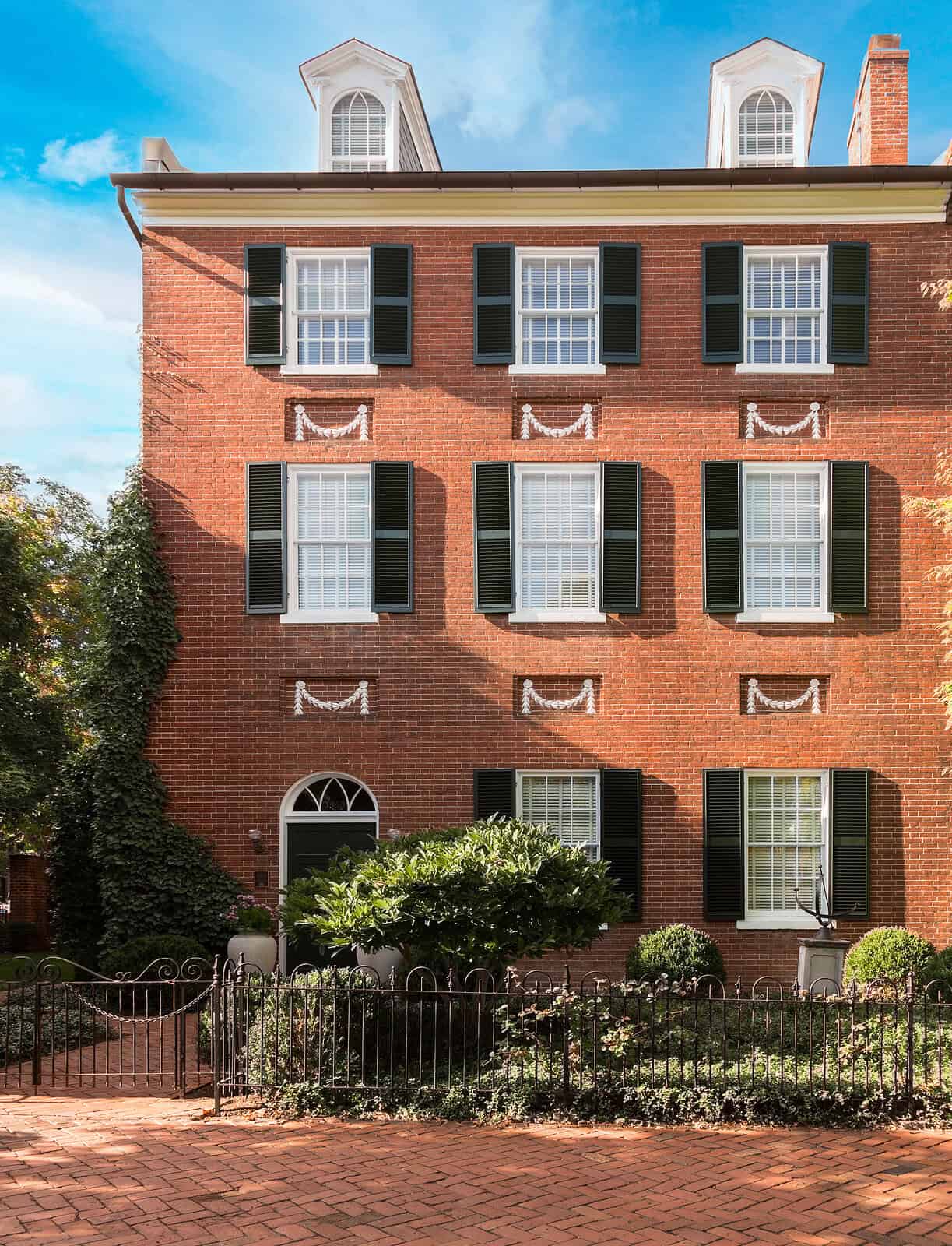
Owning an 18th-century home in the nation’s capital means owning a piece of architectural history and a home that wasn’t built for the modern world. Those hand-laid bricks and lime mortar joints that have withstood centuries of Washington D.C.’s humid summers and harsh winters have long been battling time, the elements, and urban pollution. What […]
Why a Federal‑Era Home Deserves Period‑Appropriate Lime-Based Mortar
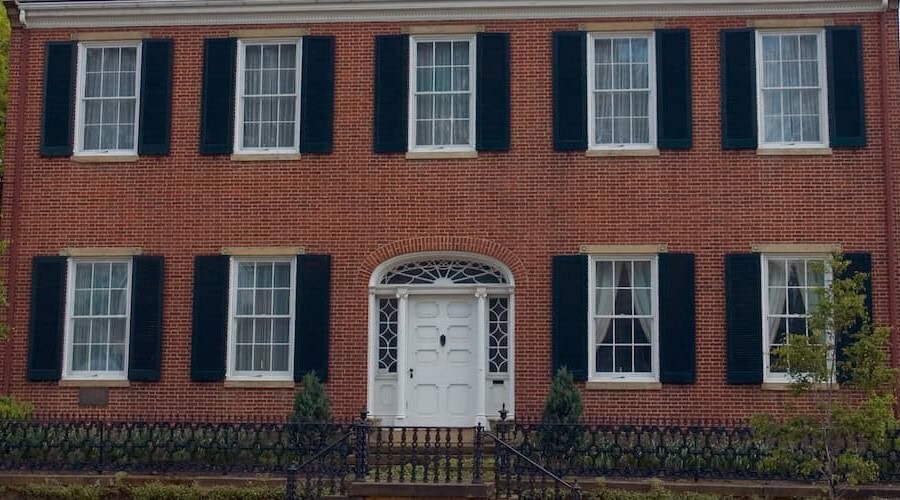
There’s an excellent reason why builders of Federal-era brick homes in D.C. opted for lime-based mortar. It gave walls flexibility, breathability, and even a fascinating self-healing quality, all of which are essential traits for structures that don’t come with the help of modern moisture barriers. What you should know about your well-built piece of architectural […]
Historic Preservation: Proper Tuckpointing is the Sustainable Choice
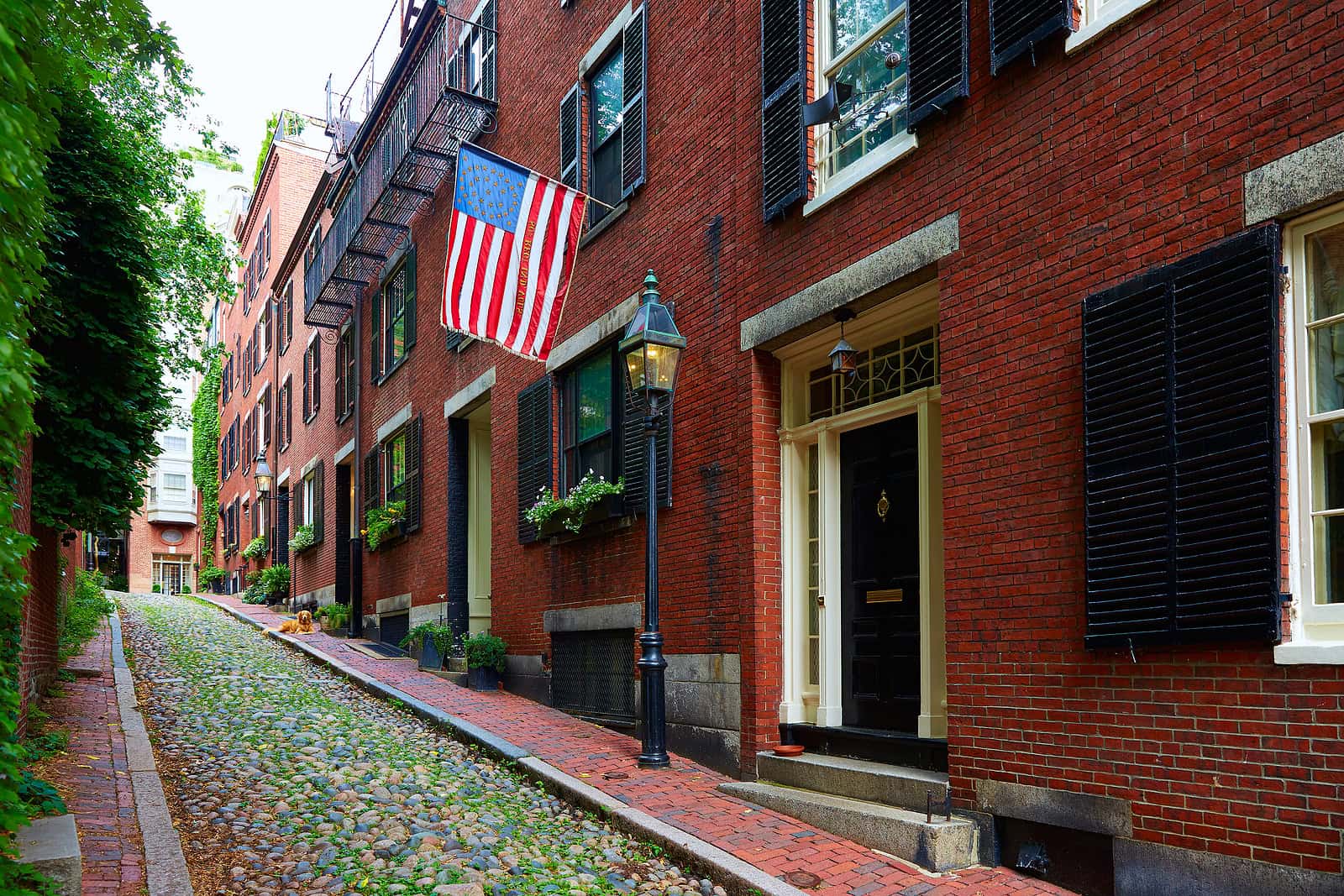
Every time a historic D.C. home is preserved, it’s an act of environmental responsibility. Choosing to carefully repair a brick facade with proper tuckpointing saves the building, making it a sustainable choice that conserves energy, reduces landfill waste, and honors the city’s cherished architectural legacy. When you own one of these historic homes, investing in […]


