







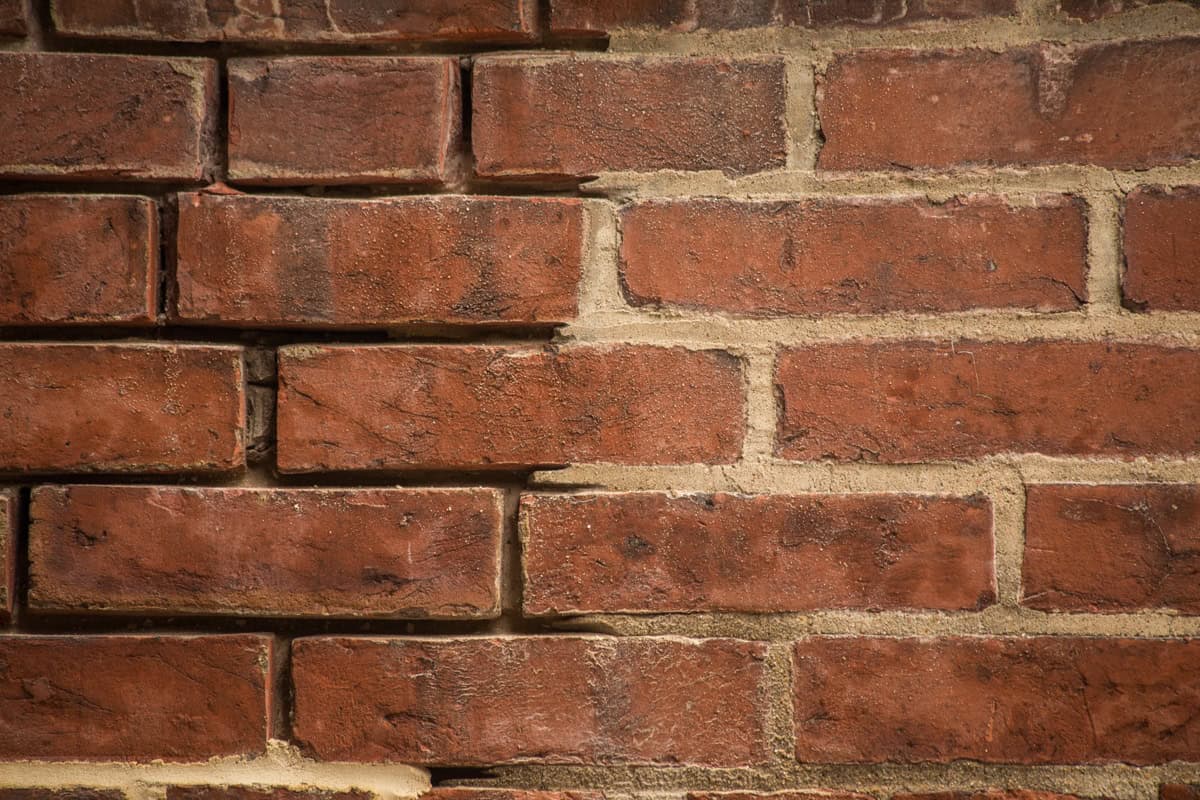
A stronger mortar is not automatically a better mortar. In fact, on a historic brick wall, choosing the harder material can put the original brick at greater risk. The mortar and brick were meant to work together, and the wrong combination can shift the wear onto the very masonry you are trying to preserve. For […]
Signs Your DC Rowhouse Needs Tuckpointing: What to Look For
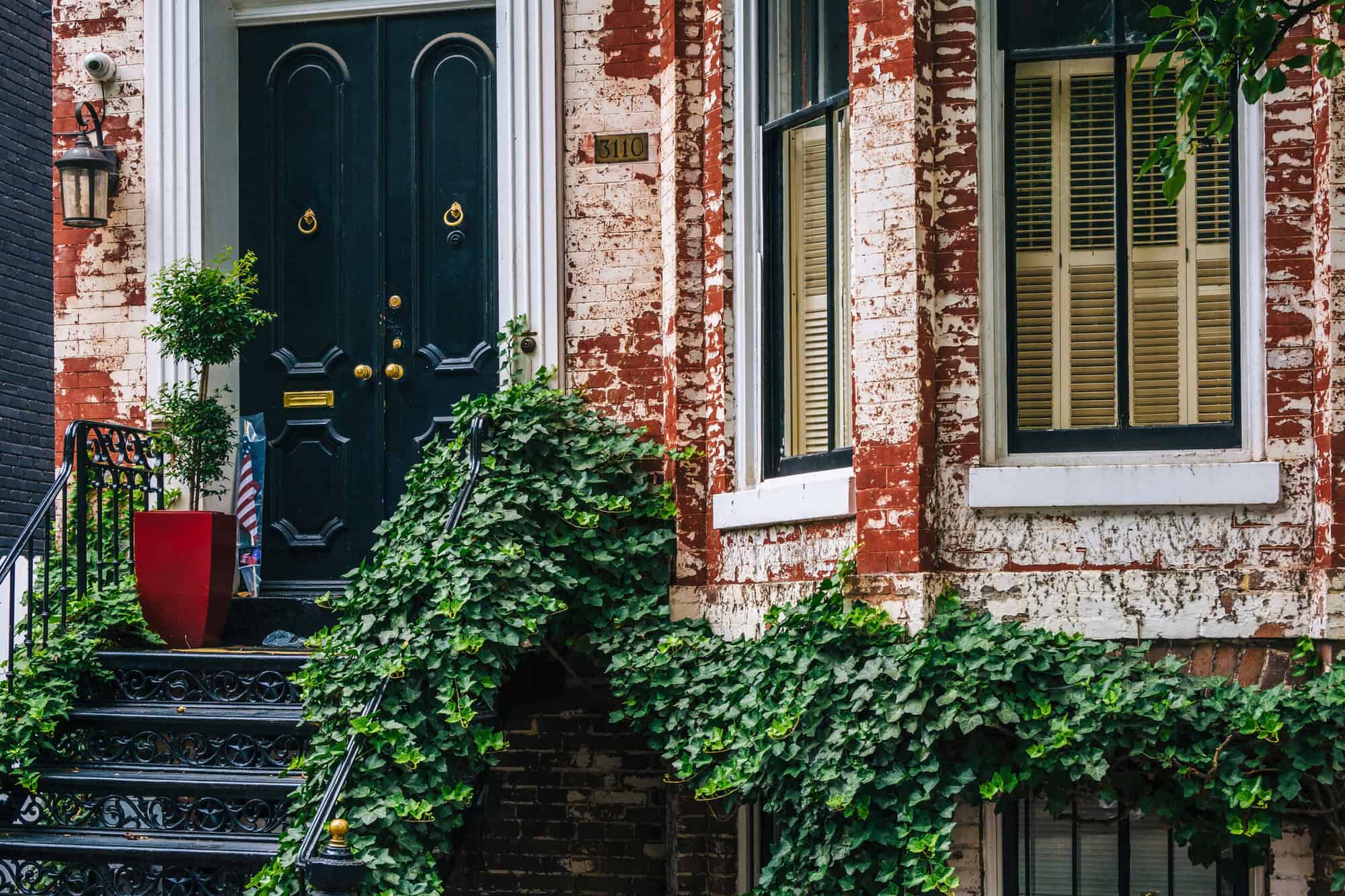
Most homeowners notice something is wrong with their brickwork before they know what to call it. Crumbling mortar, white staining, loose bricks, and damp walls are all potential signs your DC rowhouse needs tuckpointing. Those changes are easy to dismiss as ordinary aging, even though they may indicate mortar that has reached the end of […]
Signs Your Washington, DC Rowhouse Needs Tuckpointing
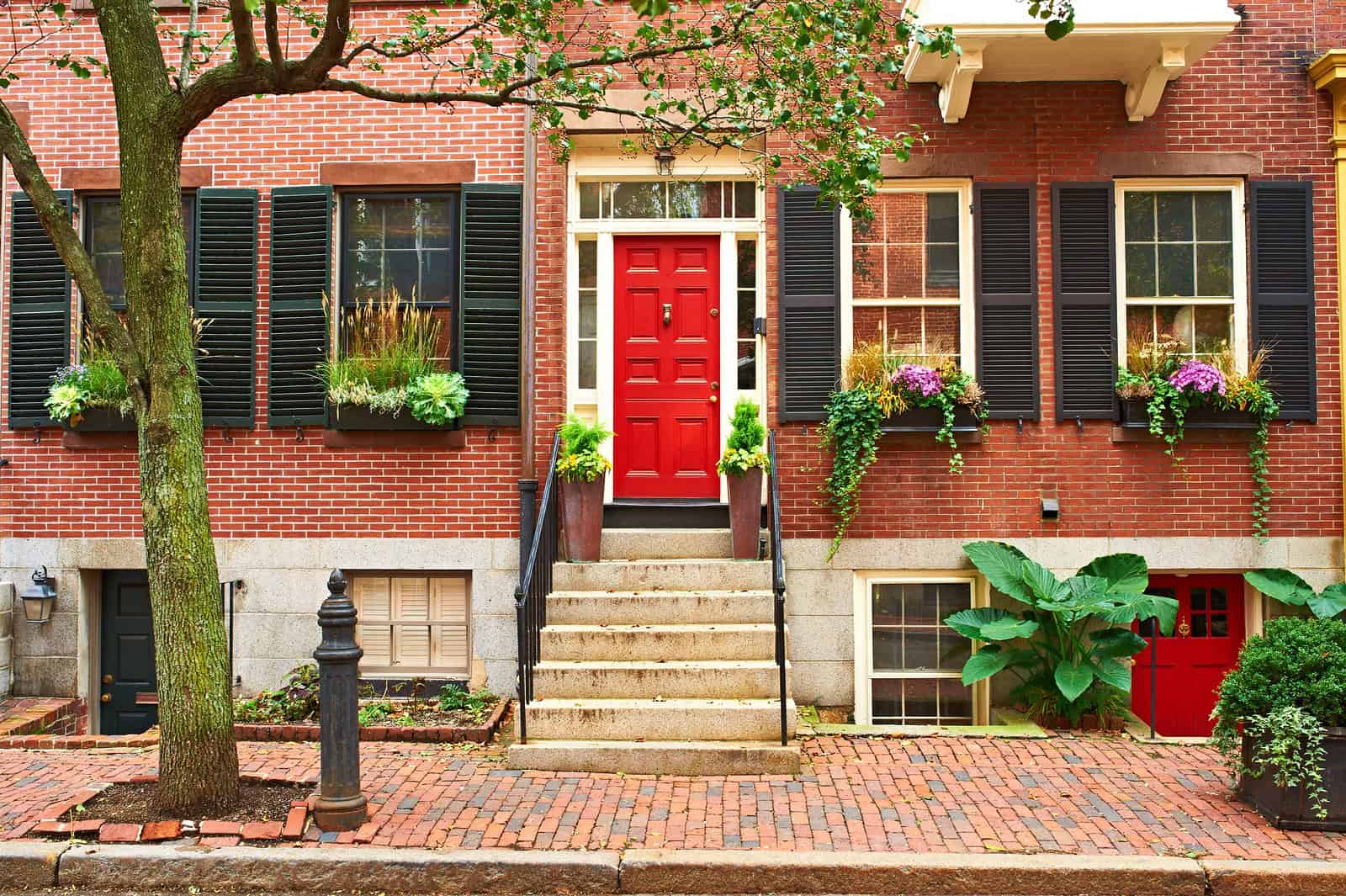
Washington is known for its extensive collection of nineteenth- and early twentieth-century brick rowhouses. Although architectural details vary across the city, these buildings share an important characteristic. The mortar binding the masonry together has a shorter service life than the brick itself. That is not a defect; it is how traditional masonry was intended to […]


