






Historic Masonry Specialists
Interior Tuckpointing & Masonry Restoration for Historic Homes in Washington, DC
Quick Answer: Interior masonry restoration repairs and stabilizes exposed brick, basement brick walls, interior chimney masonry, and other interior masonry inside historic homes, addressing crumbling mortar, efflorescence, spalling, and moisture damage with materials compatible with the wall's original construction
Interior masonry deserves the same attention as exterior brickwork, especially with Washington DC's historic masonry specialists caring for older homes where interior brick walls are part of the original structure. For outside walls, see our brick repointing Washington DC service. When mortar joints fail, bricks crumble, or moisture stains appear, it’s crucial to go beyond cosmetic fixes.
Renaissance Development specializes in interior tuckpointing and masonry restoration in Washington DC, using a preservation-focused approach that safeguards the historic appearance while enhancing the wall's durability.




Trusted by Owners of Historic Properties
Interior Masonry Problems Are Rarely Just Cosmetic
Interior brick wall repair in DC often starts with recognizing that exposed brick walls, interior chimneys, cellar walls, and masonry party walls often reveal symptoms that have developed over many years. Homeowners may first notice powdery mortar on the floor, a small crack near a window, white staining on brick, or dampness that seems to appear after heavy rain. These conditions can be frustrating because the source is not always obvious from inside the room.
That is why interior masonry restoration begins with careful evaluation. The goal is to understand what the wall is showing, how previous repairs may be affecting the masonry, and which materials and methods are appropriate for the age and condition of the building.
For historic buildings, the right approach matters. A repair that looks acceptable at first may still be too hard, too dense, too shiny, or otherwise incompatible with older brick and mortar. Renaissance Development focuses on restoration work that respects the original building fabric and supports both appearance and long-term performance.
Common Warning
Masonry Problems We Fix
Failing, crumbling, or recessed mortar joints
Interior mortar that turns to dust, falls from the wall, or recedes behind the face of the brick generally indicates that the joints need professional attention. Interior tuckpointing, or repointing, may be required to restore the wall properly.
Cracking near windows, doors, fireplaces, or wall openings
Cracks in interior masonry can develop from moisture movement, settlement, aging mortar, previous repairs, or stress around openings. These conditions should be evaluated before they expand or lead to additional damage.
Spalling, flaking, or broken brick faces
When the face of the brick begins to flake, chip, or crumble, moisture and incompatible materials are often part of the problem. Interior brick repair on older DC homes needs a careful hand, since the brick is often softer than modern masonry.
Efflorescence and white mineral staining
White powdery staining often indicates that moisture is moving through the masonry and carrying salts to the surface. Cleaning alone may improve the appearance temporarily, but the underlying moisture path should be considered.
Damp interior walls and moisture-related staining
Interior moisture symptoms can be connected to failing mortar, exterior masonry conditions, roofline issues, chimneys, window perimeters, or previous repairs. We evaluate visible masonry conditions and recommend appropriate next steps without promising a one-size-fits-all waterproofing solution.
Loose brick, loose stone, or unstable-looking areas
Loose masonry units require careful attention. Depending on the condition, repair may involve repointing, resetting, selective replacement, or a broader recommendation if the issue extends beyond the visible surface.
Previous incompatible repairs
Hard cement patches, mismatched mortar, glossy sealers, heavy coatings, and hasty spot repairs can trap moisture or accelerate deterioration. Removing or correcting these materials must be done with care to avoid additional damage.
Paint or sealer problems on interior brick
Paint and certain sealers can hide deteriorated mortar or trap moisture inside the wall. We can evaluate painted or sealed masonry and recommend a preservation-minded repair strategy based on the condition of the brick and joints.
Smoke, heat, or fireplace-adjacent deterioration
Brick and mortar around fireplaces or interior chimney areas may show deterioration from age, use, moisture, or previous repairs. We evaluate visible masonry conditions and recommend repair where appropriate. Mechanical fireplace, flue, liner, or gas-system issues should be handled by qualified specialists in those systems.
Seeing Any Interior Masonry Problems?
Interior masonry problems can appear small at first: dust on the floor, a few crumbling joints, white staining, damp plaster, or brick that looks softer than it should. These symptoms are worth evaluating before a minor condition becomes more complicated.




Request a Free Estimate!
Tell us what you are seeing.
Describe the mortar or brick issue and our team will follow up about your property and next steps.
Interior Masonry Restoration Services
Interior masonry restoration may involve one focused repair or a combination of services. The appropriate scope depends on the age of the building, the
condition of the masonry, the materials already in place, and the room where the work is located.
01
Interior Brick Repointing & Restoration
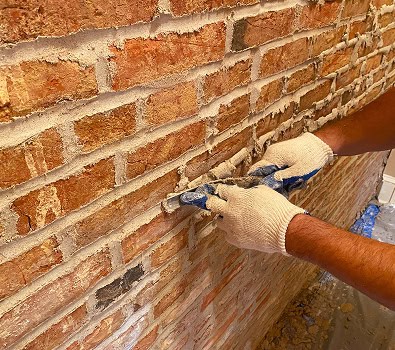
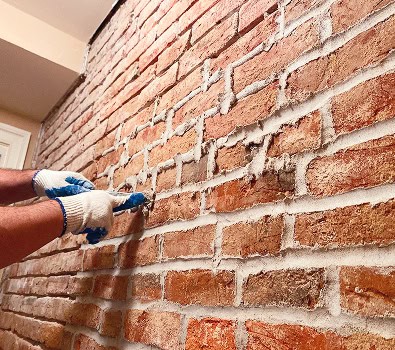
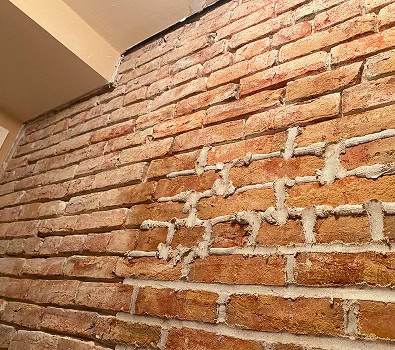
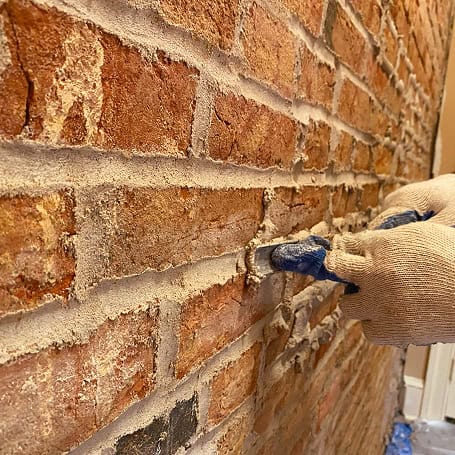
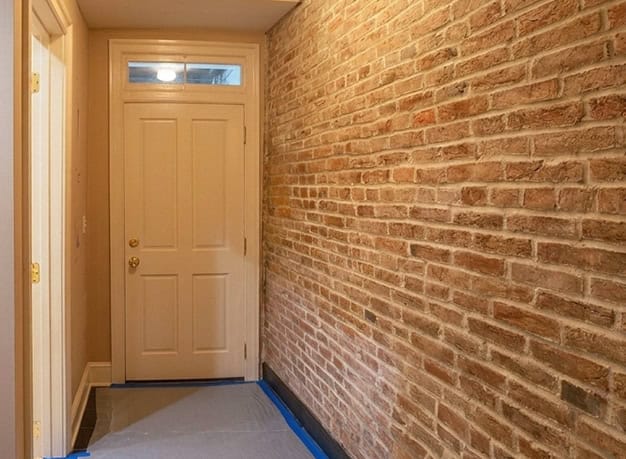
Interior tuckpointing in Washington DC, also called interior brick repointing, involves removing deteriorated mortar from brick joints and replacing it with mortar that is compatible with the historic wall. The finished work should support the masonry while preserving the character of the exposed brick.
This service is often appropriate for exposed brick walls, party walls, interior chimney masonry, basements, cellars, and other interior brick surfaces where mortar has failed.
02
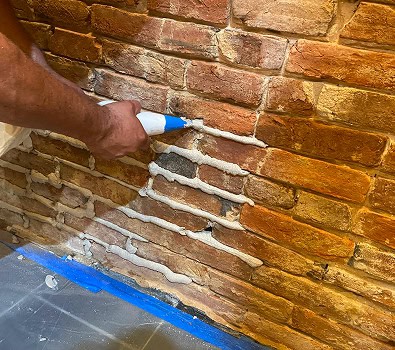
Exposed Brick Wall Repair & Restoration
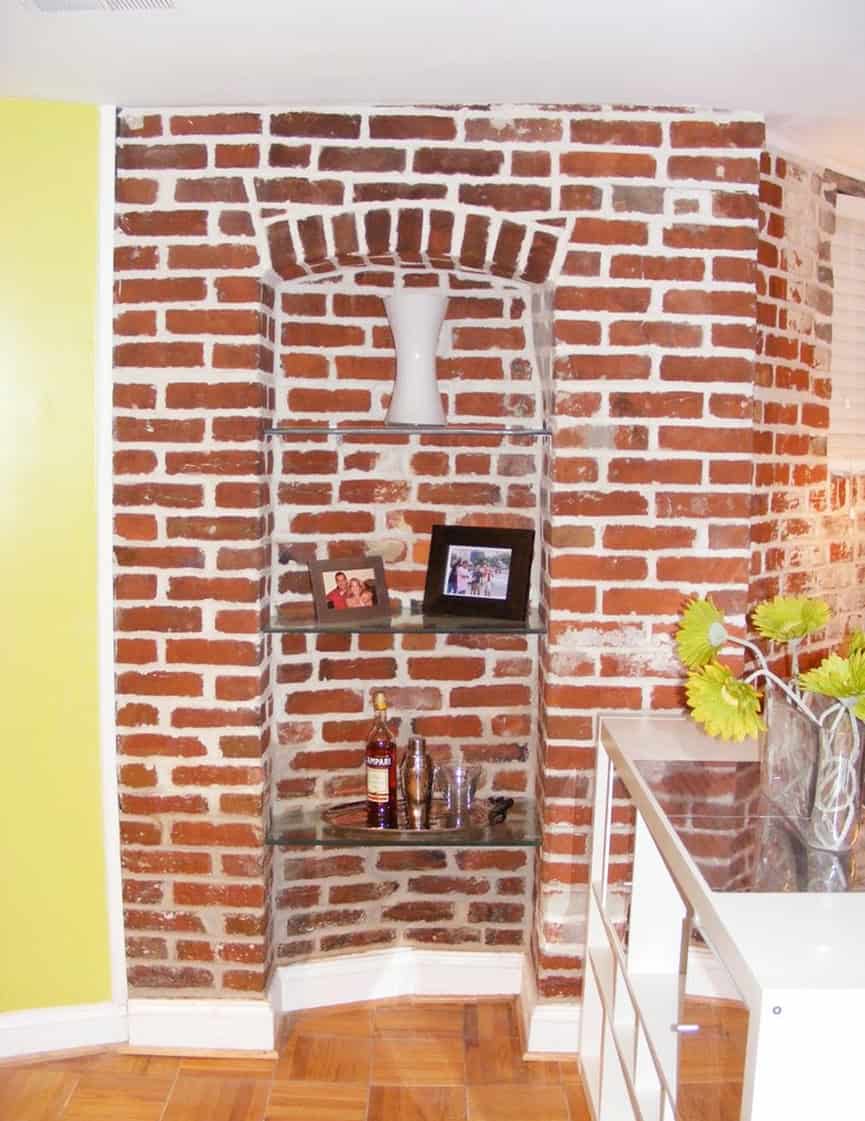
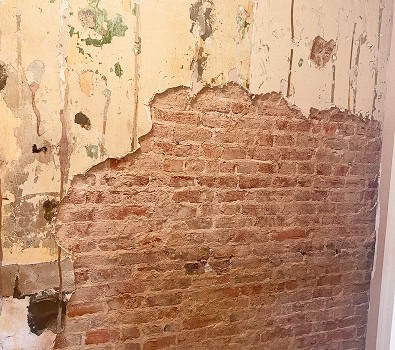
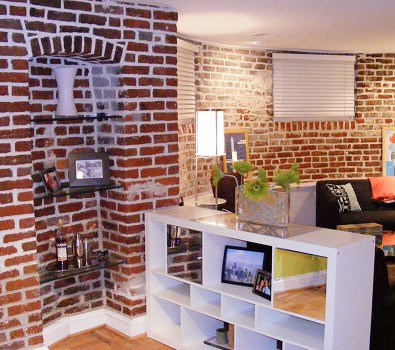
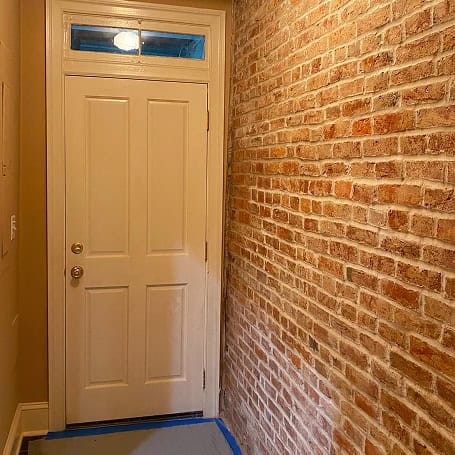
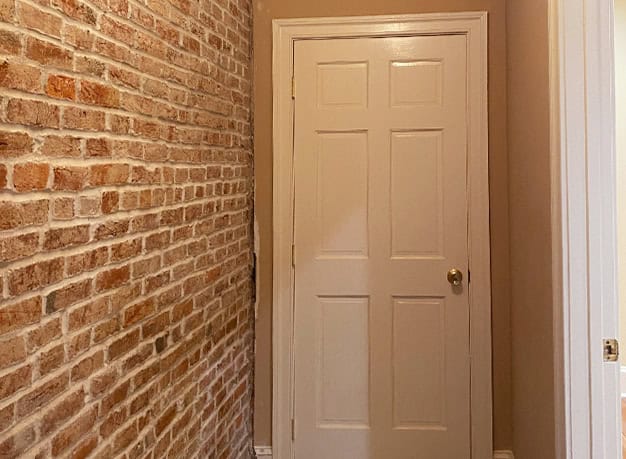
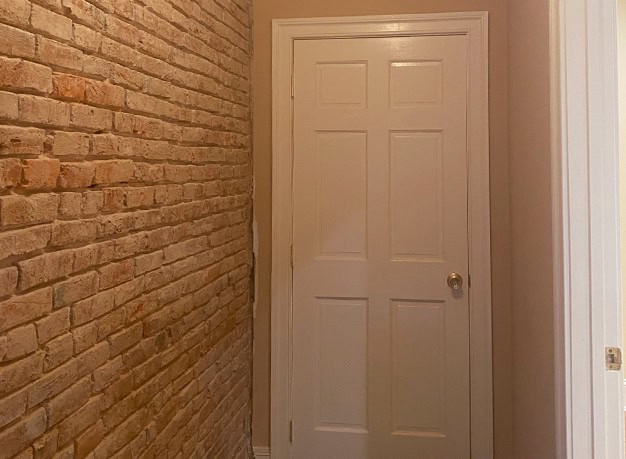
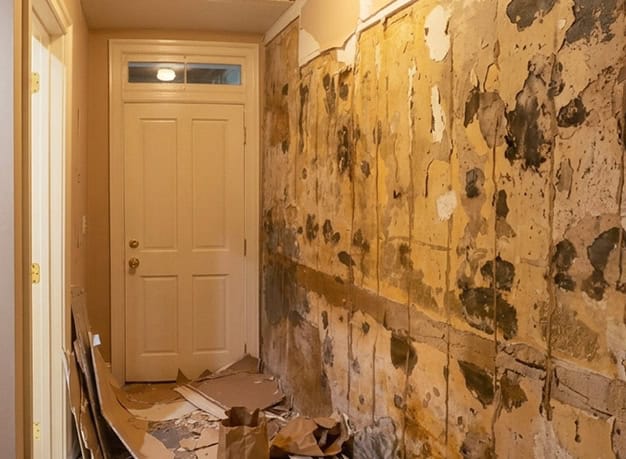
Exposed brick restoration in DC is popular for Washington rowhouses, but these walls were often never intended to serve as finished interior surfaces. Many were originally covered with plaster, and the brick underneath may be soft, irregular, dusty, or previously damaged.
03
Interior Chimney & Fireplace Masonry Repair
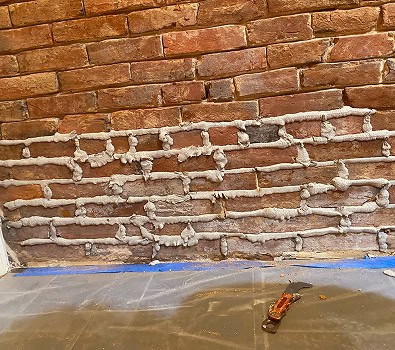
Renaissance Development regularly performs chimney-related masonry restoration. When the interior side of a chimney, fireplace surround, or adjacent brickwork shows failing mortar, loose brick, staining, or deterioration, we can evaluate the visible masonry and recommend the appropriate repair scope.
This work is limited to masonry restoration. Fireplace operation, flue lining, drafting, gas components, and combustion safety should be evaluated by qualified specialists in those systems.
04
Basement, Cellar & Interior Foundation Wall Masonry
Basement brick repair in DC often begins here — basements and cellars in older buildings frequently reveal moisture staining, efflorescence, failing mortar, or previous cement repairs. These areas require careful evaluation because interior symptoms may be connected to exterior drainage, masonry deterioration, wall openings, or prior work.
We address visible masonry deterioration and explain when additional evaluation may be needed for conditions beyond the masonry itself.
05
Interior Stone Repair & Repointing
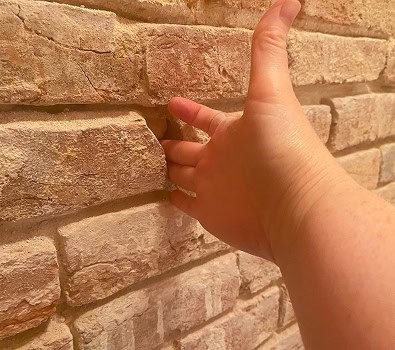
Some historic interiors include stone elements, stone foundation walls, or stone and brick combinations. Where appropriate, Renaissance Development can evaluate stone masonry and recommend repair methods that respect the material’s age, texture, and performance characteristics.
06
Brick Replacement, Patching & Selective Repair
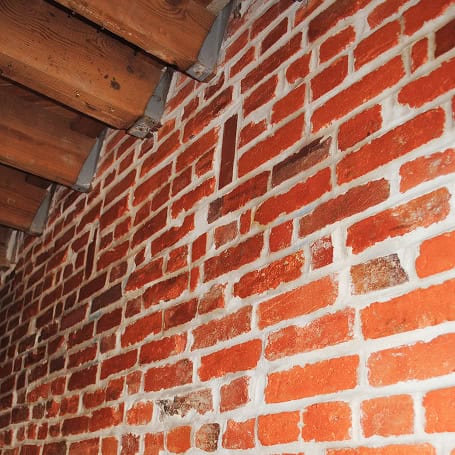
When individual bricks are too deteriorated to remain in place, selective replacement may be part of the restoration scope. Matching brick color, size, texture, and installation pattern is important so the repair supports the wall without calling unnecessary attention to itself.
The goal is always to preserve as much original material as practical while correcting areas that have failed.
07
Careful Cleaning & Finish Recommendations
Interior masonry should not be treated with harsh methods that damage brick faces, grind away historic material, or force moisture into the wall. Cleaning recommendations should be based on the specific material and the condition of the surface.
When a final finish or breathable sealer is considered, it should be selected carefully. The wrong coating can trap moisture and create future problems. We approach cleaning and finishing as part of the restoration strategy, not as a substitute for proper masonry repair.
08
Moisture-Related Masonry Evaluation
Interior moisture symptoms should be taken seriously, but the solution is not always located where the symptom appears. Water can move through masonry from rooflines, chimneys, exterior walls, window openings, or previous repairs before showing itself indoors.
We evaluate visible masonry conditions, identify likely contributing factors within the scope of masonry work, and recommend practical next steps. If a condition requires another trade or specialist, that should be addressed as part of a responsible restoration plan.

Why Materials + Compatibility Matter Inside Historic Buildings
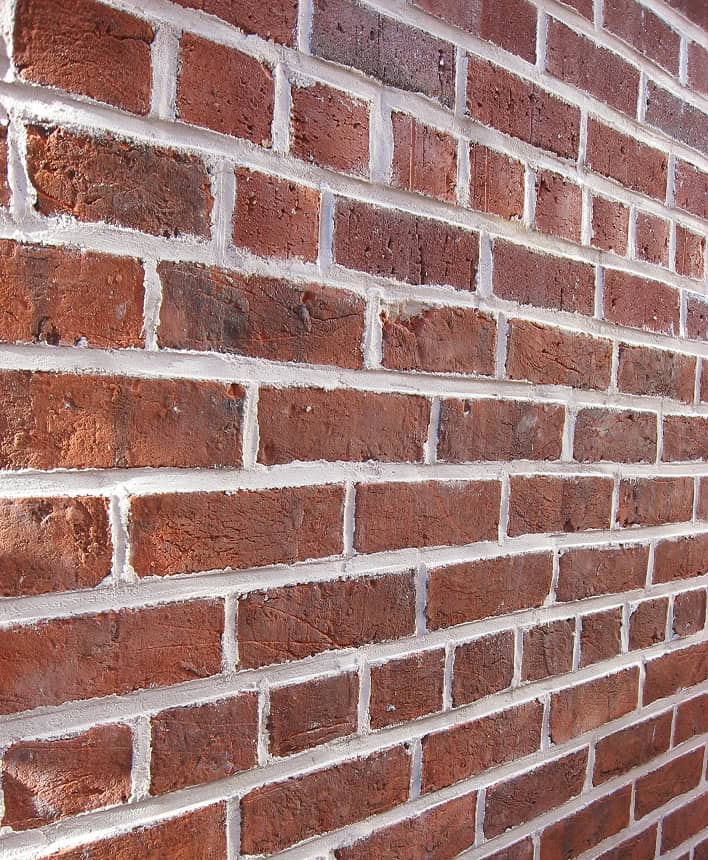
Interior masonry repair in DC requires understanding that older masonry walls behave differently from newer wall systems. Many historic brick buildings in Washington, DC were constructed with softer brick and lime-based mortar. These materials were intended to work together, allowing the wall to manage and release moisture rather than trap it.
Using the wrong material inside a historic wall can make the situation worse. Hard cement mortar, incompatible patches, or non-breathable coatings may appear durable but can force moisture into the softer brick or original mortar. Over time, that can contribute to cracking, spalling, staining, and further deterioration.
Compatibility affects several important details:
- Mortar strength and density: The replacement mortar should be appropriate for the brick or stone around it.
- Breathability: Historic masonry needs to release moisture rather than seal it inside the wall.
- Color and texture: Interior repairs are highly visible, especially on exposed brick walls.
- Joint profile: The shape and finish of the joint affect both appearance and performance.
- Long-term durability: A compatible repair should support the wall rather than simply hide the problem.
Renaissance Development approaches interior masonry with the same preservation-minded care used on historic exterior façades: evaluate the material, understand the wall, and complete the work with careful craftsmanship.
Interior Jobsite Protection
Interior masonry restoration requires additional planning because the work happens inside finished spaces. Dust, debris, floors, trim, furnishings, and daily use of the home all need to be considered before the work begins.
Dust containment
Interior masonry work can create dust, especially when failing mortar is removed. We plan containment carefully so the work area is separated as much as practical from the rest of the home.
Protection of floors, trim, and adjacent finishes
Before work begins, nearby surfaces should be protected. This may include floors, baseboards, millwork, cabinetry, walls, doors, and other finishes adjacent to the masonry.
Ventilation and air movement
Interior work may require ventilation planning to help manage dust and odors from cleaning or finishing steps. The strategy depends on the room, weather, access, and scope of work.
Occupied-home coordination
Many interior masonry projects are completed in occupied homes. Clear scheduling, communication, and daily organization help reduce disruption and keep the project moving properly.
Daily cleanup and final cleaning
A clean jobsite is part of professional restoration. We plan the work so debris is managed throughout the project, and the completed masonry is reviewed and cleaned appropriately before the final walkthrough.
Respect for the building and neighboring homes
Historic properties deserve careful treatment. That includes the work area itself, the path of access, shared spaces, and adjacent properties where coordination may be required.
What to Expect From the Process
Evaluate the masonry
We inspect the visible brick, stone, and mortar conditions and listen to what the owner has observed: dust, staining, dampness, cracking, loose material, or previous repair concerns.
Identify likely contributing factors
Interior masonry symptoms may result from mortar failure, moisture movement, incompatible repairs, exterior conditions, chimney deterioration, or coatings that trap moisture. We consider how the wall appears to be behaving before recommending a repair.
Recommend the appropriate scope of work
After evaluation, we provide a written proposal outlining the recommended restoration approach. The scope is designed to address the masonry condition rather than only the most visible surface symptom.
Prepare and protect the work area
Before work begins, the area is staged carefully. Floors, trim, furnishings, adjacent finishes, and access paths are protected as needed. Containment and ventilation are planned for the scope of work.
Complete meticulous masonry restoration
Deteriorated mortar is removed, damaged masonry is addressed, and compatible replacement mortar is installed with attention to bonding, joint profile, color, texture, and overall appearance.
Clean and finish the masonry appropriately
Once restoration is complete, the wall is cleaned in a manner appropriate to the material. If a finish or sealer is part of the recommendation, it should be selected with breathability and long-term performance in mind.
Review the results
At the end of the project, we review the completed work with the client, answer questions, and make sure the restored masonry has been addressed thoroughly.
A Good Fit for Our Approach
As an exposed brick wall contractor in DC, we find interior masonry restoration is often the right fit for owners who:
- Own a historic rowhouse, apartment building, commercial property, or older brick structure in Washington, DC or Old Town Alexandria.
- Have exposed brick walls that are dusty, crumbling, stained, cracked, or previously patched.
- Are seeing dampness, efflorescence, or mortar deterioration inside the building.
- Want repairs that respect the age and character of the building.
- Care about both the finished appearance and the long-term condition of the wall.
- Want clear communication, careful staging, and respectful work practices inside the home.
Why Owners Choose Renaissance Development
Owners of historic buildings are not looking for a quick patch. They need a company that understands older masonry, uses appropriate materials, and treats the property with care from the first inspection through the final walkthrough.
Preservation-Minded Leadership and Expertise
Renaissance Development was founded in 2004 by Dr. Christina K. Wilson, whose doctorate in architectural history brings uncommon expertise to the company’s work with historic buildings. Her background guides a careful, preservation-first approach to materials, detailing, and restoration decisions.
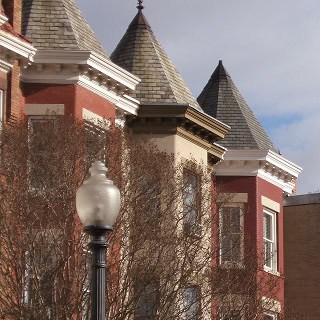
Specialized Experience With Historic Masonry
Renaissance Development has completed hundreds of projects throughout Washington, DC and Old Town Alexandria, focusing on historic masonry, brick restoration, mortar repair, chimney repair, and exterior work that complements older structures.
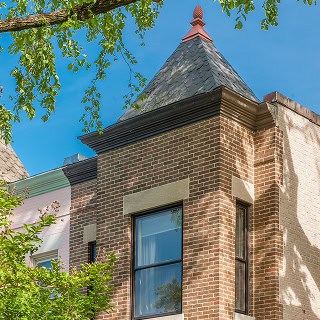
Attention to Detail in Visible Masonry Work
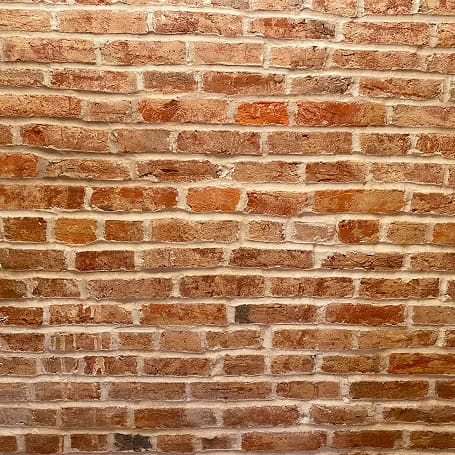
Interior masonry is seen up close, so mortar color, joint profile, brick texture, cleaning method, and final appearance all matter. Quality restoration should blend with the original wall rather than stand out as an obvious patch.
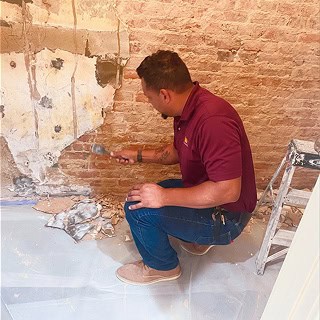
Thorough and Professional Execution in Occupied Spaces
Interior projects require both technical skill and professionalism. Renaissance Development evaluates each wall carefully, recommends appropriate solutions, communicates clearly, protects finished spaces, and follows a process designed to address underlying issues—not just surface-level repairs.
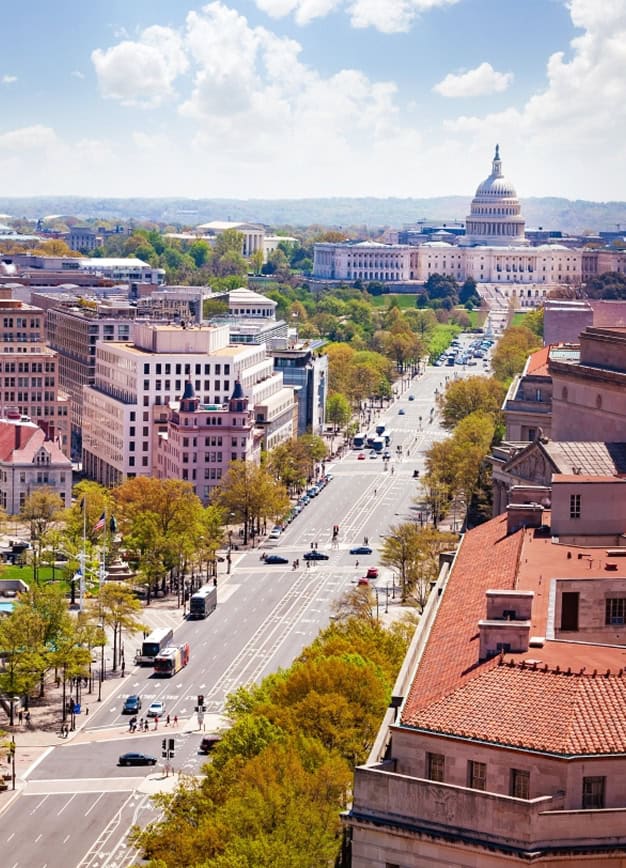
Serving Washington, DC and Old Town Alexandria
Renaissance Development serves homeowners and commercial clients throughout Washington, DC and Old Town Alexandria, with a strong focus on historic masonry and older brick buildings.
Interior masonry restoration is especially relevant in neighborhoods with historic rowhouses, apartment buildings, and masonry commercial structures, including:
Interior Brick Restoration for Your Business?
Exposed brick walls in offices, restaurants, and retail spaces need the same careful approach as historic homes. Let's talk about your space.
The Renaissance Difference, In Our Clients’ Words
Showcase of Our Work
Common Questions About Interior Masonry Restoration
Is interior masonry restoration the same as interior tuckpointing?
Interior tuckpointing in Washington DC, or repointing, is often part of interior masonry restoration, but this can include more than replacing mortar. Depending on the condition, the work may also involve brick repair, selective replacement, cleaning, correction of incompatible prior repairs, and recommendations related to moisture symptoms.
Is interior repointing messy?
Masonry work can create dust, especially when deteriorated mortar is removed. The important question is how the project is planned and contained. Interior work should include protection for floors, trim, adjacent finishes, furnishings, access paths, and nearby rooms where practical.
How do you control dust during interior masonry work?
Dust control begins before the work starts. Depending on the room and scope, the work area may be contained, adjacent surfaces protected, and ventilation planned. Cleanup should be ongoing during the project and completed thoroughly before the final walkthrough.
Can you restore painted or sealed interior brick?
In many cases, painted or sealed brick can be evaluated and improved, but the right approach depends on the coating, the condition of the brick, and the condition of the mortar underneath. Some coatings trap moisture or hide deterioration, so the repair plan should be based on the wall’s actual condition rather than appearance alone.
Can you repair a crumbling exposed brick wall?
Yes, many exposed brick walls can be restored through careful repointing, selective brick repair, cleaning, and compatible finishing. If the wall is badly deteriorated or affected by conditions beyond the visible surface, we will explain the recommended scope and any limitations clearly.
How do you match historic brick and mortar?
Matching begins with close evaluation of the existing wall. Mortar color, texture, composition, joint profile, and tooling all affect the final appearance. Brick replacement, when needed, should consider size, color, texture, and how the new units relate to the original masonry.
What causes efflorescence on interior brick?
Efflorescence is usually a sign that moisture is moving through the wall and carrying salts to the surface. Cleaning can reduce the visible staining, but the underlying moisture movement should be evaluated so the same symptom does not simply return.
How do you handle moisture concerns?
We evaluate visible masonry conditions and look for likely contributors within the scope of masonry restoration, such as failing mortar, deteriorated brick, incompatible repairs, chimney conditions, or areas where water may be entering the wall. If the source appears to involve roofing, drainage, plumbing, exterior envelope issues, or another specialty, we will recommend that those conditions be addressed appropriately.
Do you work in occupied homes?
Yes. Many interior masonry projects take place in occupied homes. The project should be staged carefully, with clear communication about access, protection, dust containment, timing, and cleanup.
Do you work on fireplaces?
We evaluate and repair visible masonry around interior chimneys, fireplace surrounds, and related brickwork when appropriate. We do not present masonry restoration as a substitute for fireplace-system, flue, liner, gas, or combustion safety evaluation. Those items should be handled by qualified specialists.
Will the repair change the look of my exposed brick wall?
The goal is to improve the wall while respecting its historic character. Repointing, cleaning, and selective repair can make the wall look more finished and stable, but the best result should still feel appropriate to the age and material of the building.
How long does an interior masonry restoration project take?
Timing depends on the size of the wall, access, condition, containment needs, cleaning requirements, and whether brick replacement or coating removal is involved. Smaller interior scopes may move quickly, while larger or more delicate restoration projects require additional planning. The expected timeline should be discussed during the evaluation and proposal process.
How do I know whether a wall needs repair, rebuilding, or replacement?
Many interior masonry issues can be addressed through repointing, selective repair, and careful restoration. More extensive movement, loose masonry, or severe deterioration may require a broader scope. The first step is a professional evaluation so the recommendation is based on the actual wall condition.
Do you provide free estimates?
Yes. Renaissance Development provides free estimates and can answer questions about the condition of your masonry, the appropriate next step, and the restoration approach that best fits the building.
Restoration • Rejuvenation • Rebirth
Exterior Masonry & Historic Preservation Specialists
Renaissance Development is Washington, DC's premiere masonry contractor, providing tuckpointing and brick facade restoration. In addition, we build patios, walkways, steps, and retaining walls, elements essential to urban gardens.
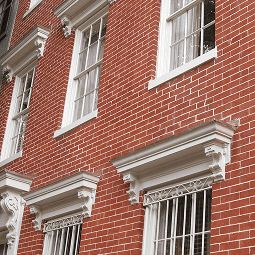
Tuckpointing
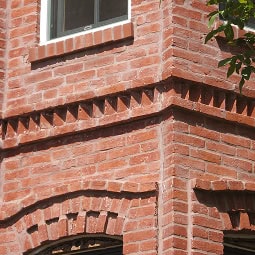
Masonry Restoration
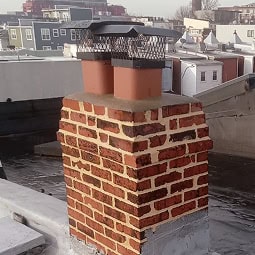
Chimney Repair
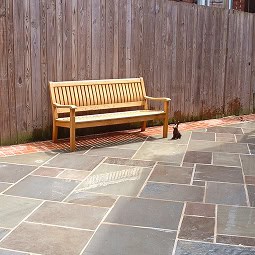
Patios
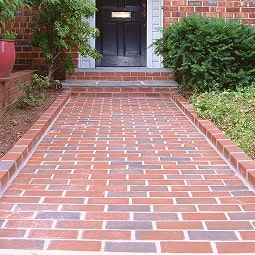
Walkways
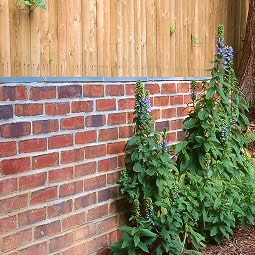
Retaining Walls


