






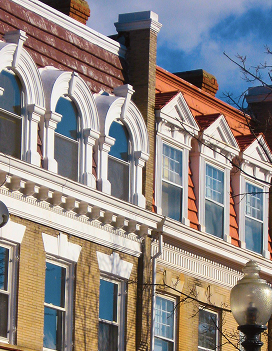
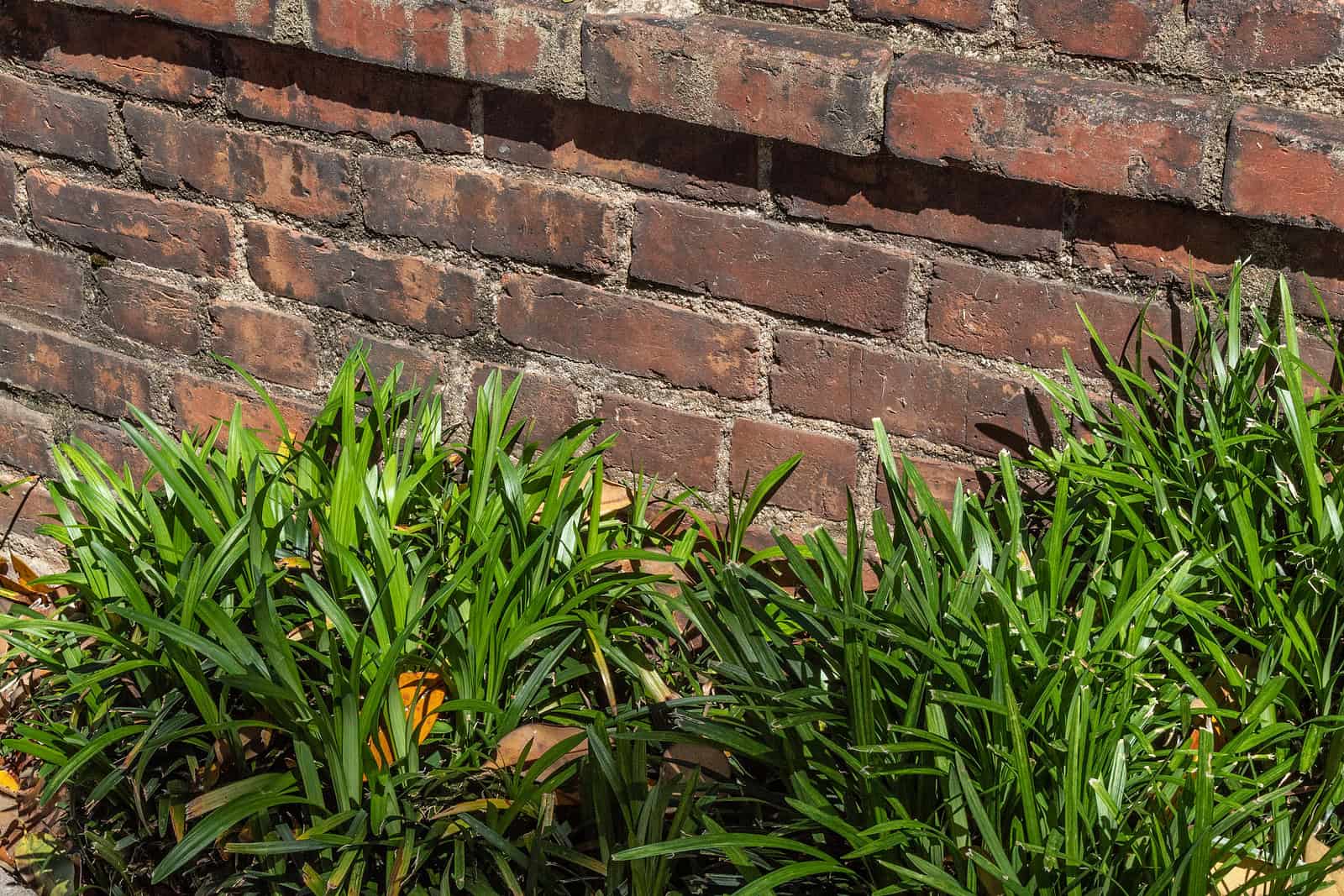
If you live in one of DC’s historic neighborhoods, chances are your backyard has a slope, a drainage issue, a retaining wall, or maybe all three! These walls often go unnoticed until there’s a problem. A little bow in the brick. A crack that wasn’t there last year. Suddenly, something purely functional is demanding your […]
Brick Patios: Creating Summer Retreats in Urban Backyards
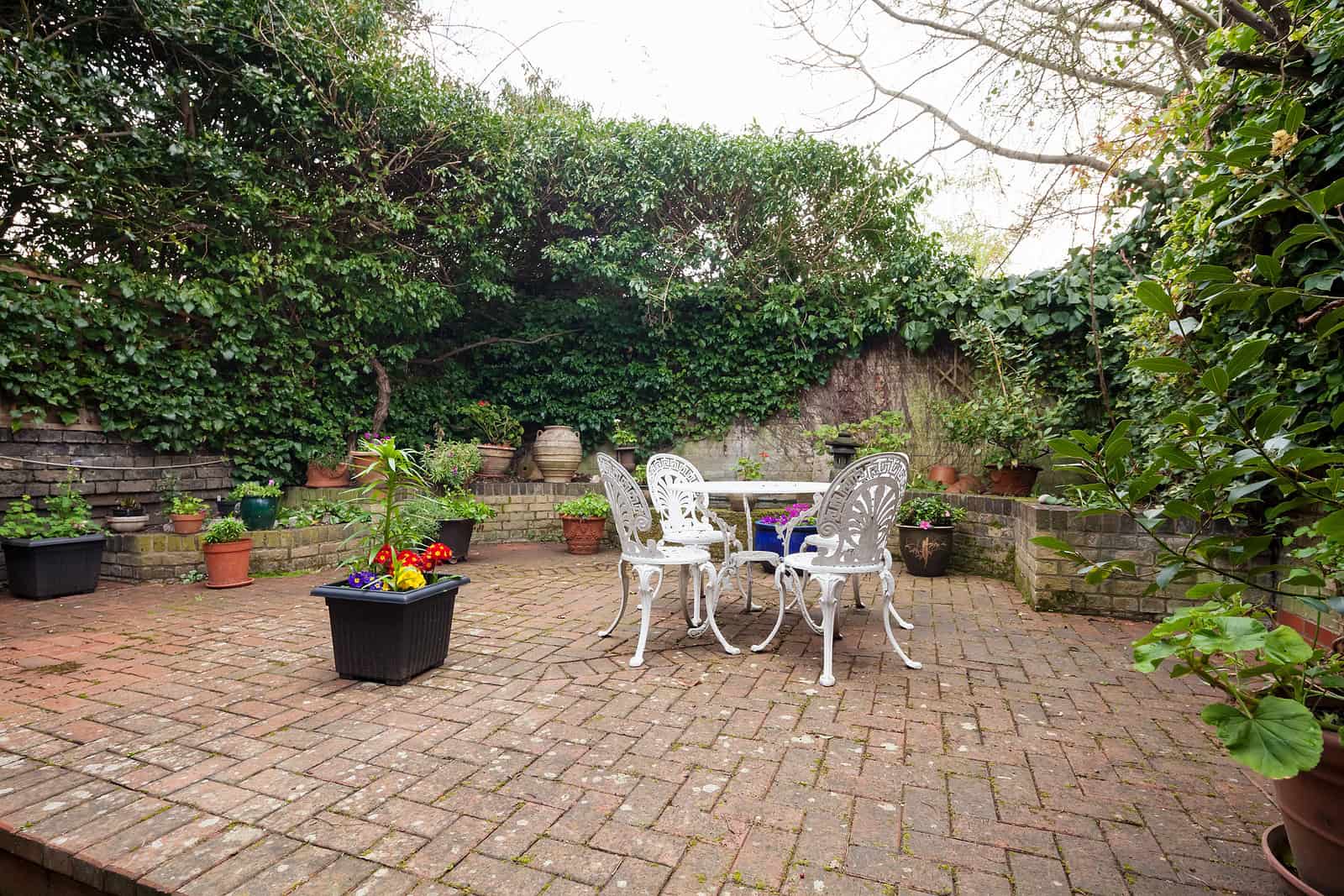
A brick patio can completely transform a small urban yard. In historic Washington, DC neighborhoods like Capitol Hill or Old Town Alexandria, brick is a practical material that’s also a natural extension of the homes themselves. Whether you’re working with a narrow courtyard or a compact backyard, brick provides a durable, beautiful, and historically appropriate […]
Why Summer is the Best Time to Tuckpoint a Historic Brick Home in D.C.

Summer in Washington, D.C., is a time for enjoying the city’s historic charm from your backyard patio or garden. But as you get your outdoor spaces ready for guests, it’s the perfect time to look closely at your home’s brickwork. The same warm, dry weather that’s ideal for barbecuing also presents the best possible conditions […]
Create an Outdoor Room: Restoring Brick to Revive Your D.C. Garden
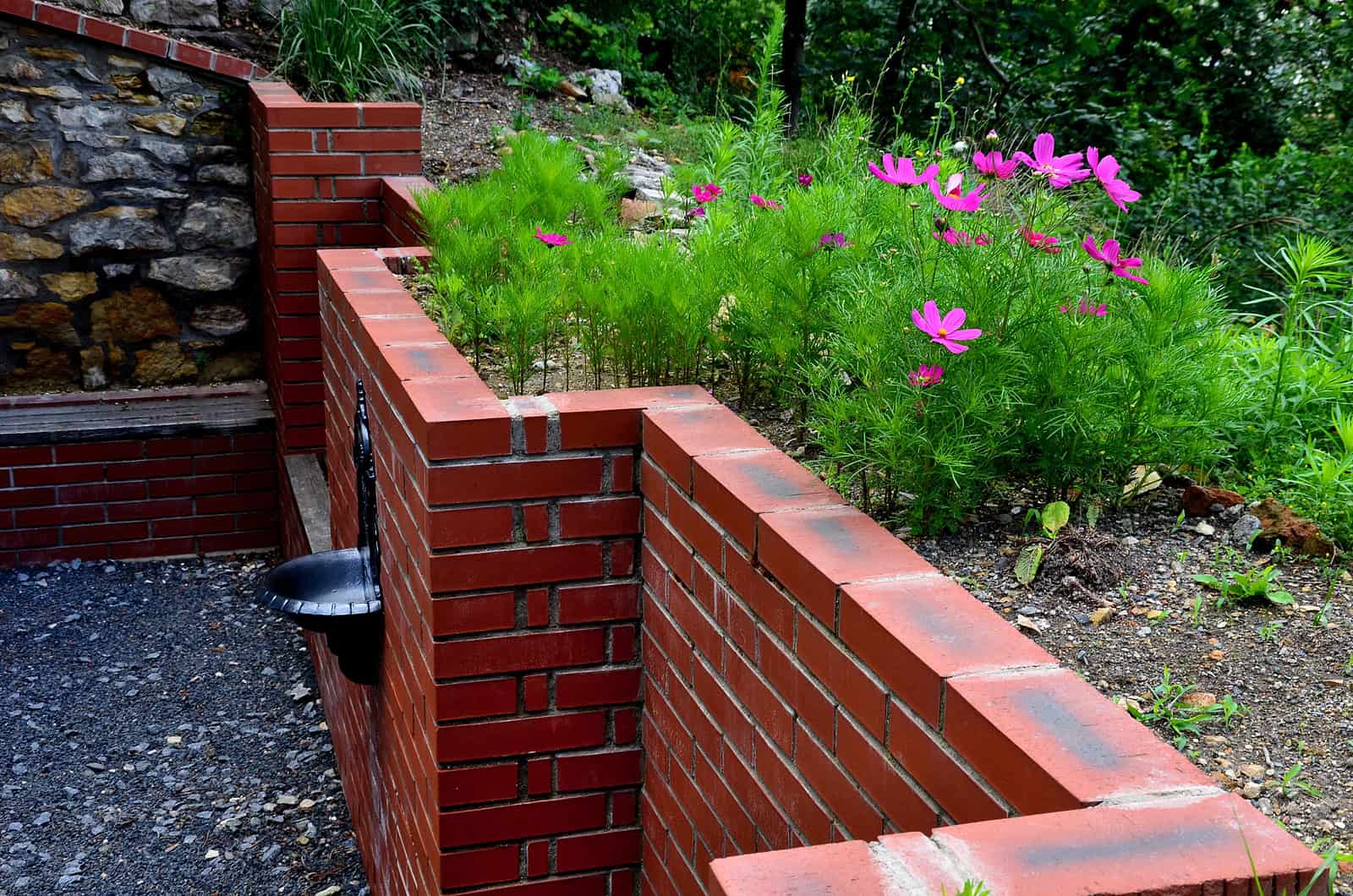
There’s something timeless about gathering outdoors in the summer, especially when your garden doubles as a true extension of your home. In historic Washington, D.C., neighborhoods like Capitol Hill, even a small backyard or side garden can become a functional and beautiful “outdoor room” with the right materials and design. Brickwork, in particular, helps define […]
Painted Brick Dilemma in D.C. : Historical Accuracy vs. Modern Trends
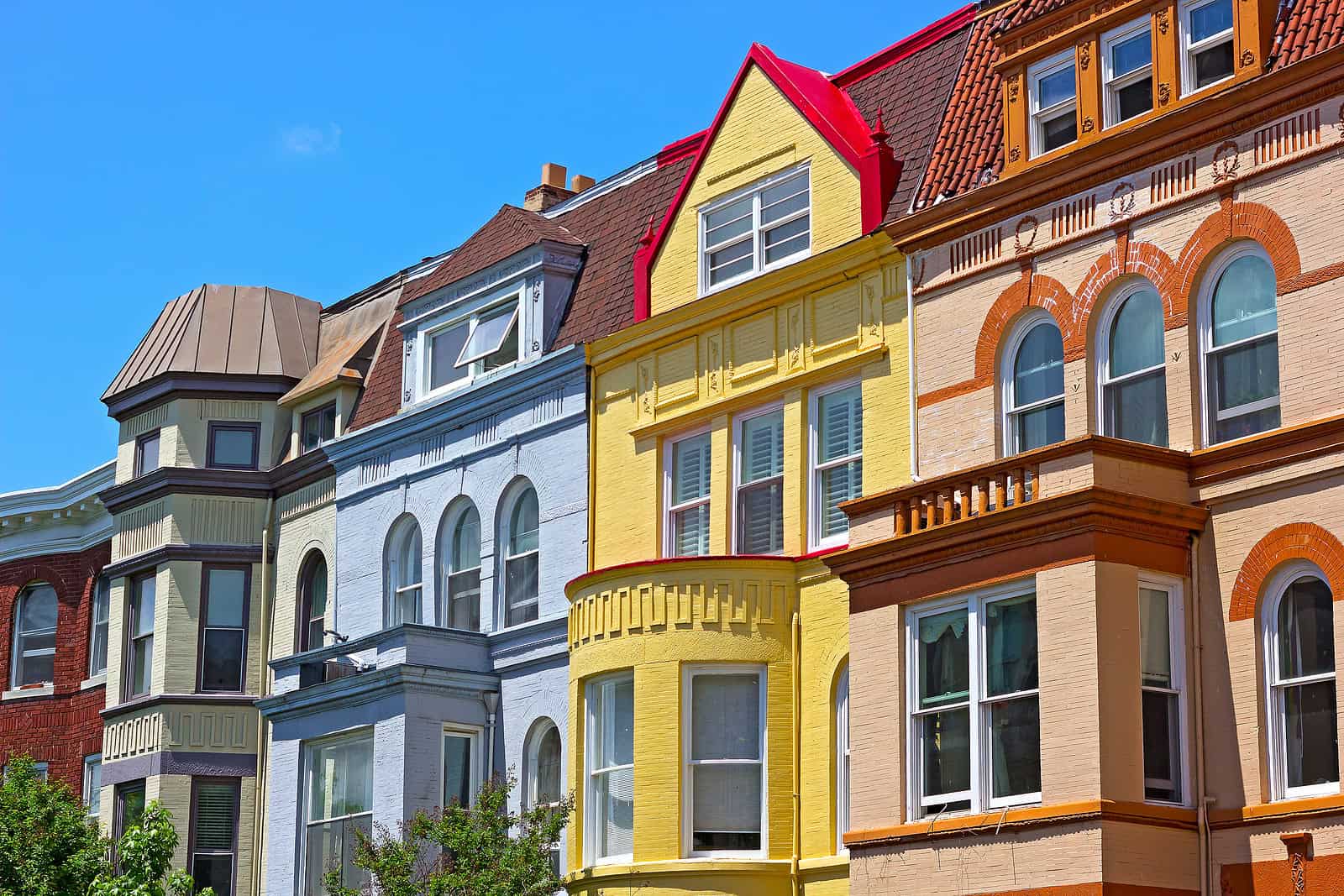
In a city like Washington, D.C., where history lives on every block, decisions about home exteriors carry extra weight. For owners of historic brick homes, the question of whether to paint the facade is more than a style choice. It’s a matter of long-term preservation and neighborhood integrity. While a freshly painted exterior might look […]
How One Neglected Brick Home Can Impact an Entire Historic Block
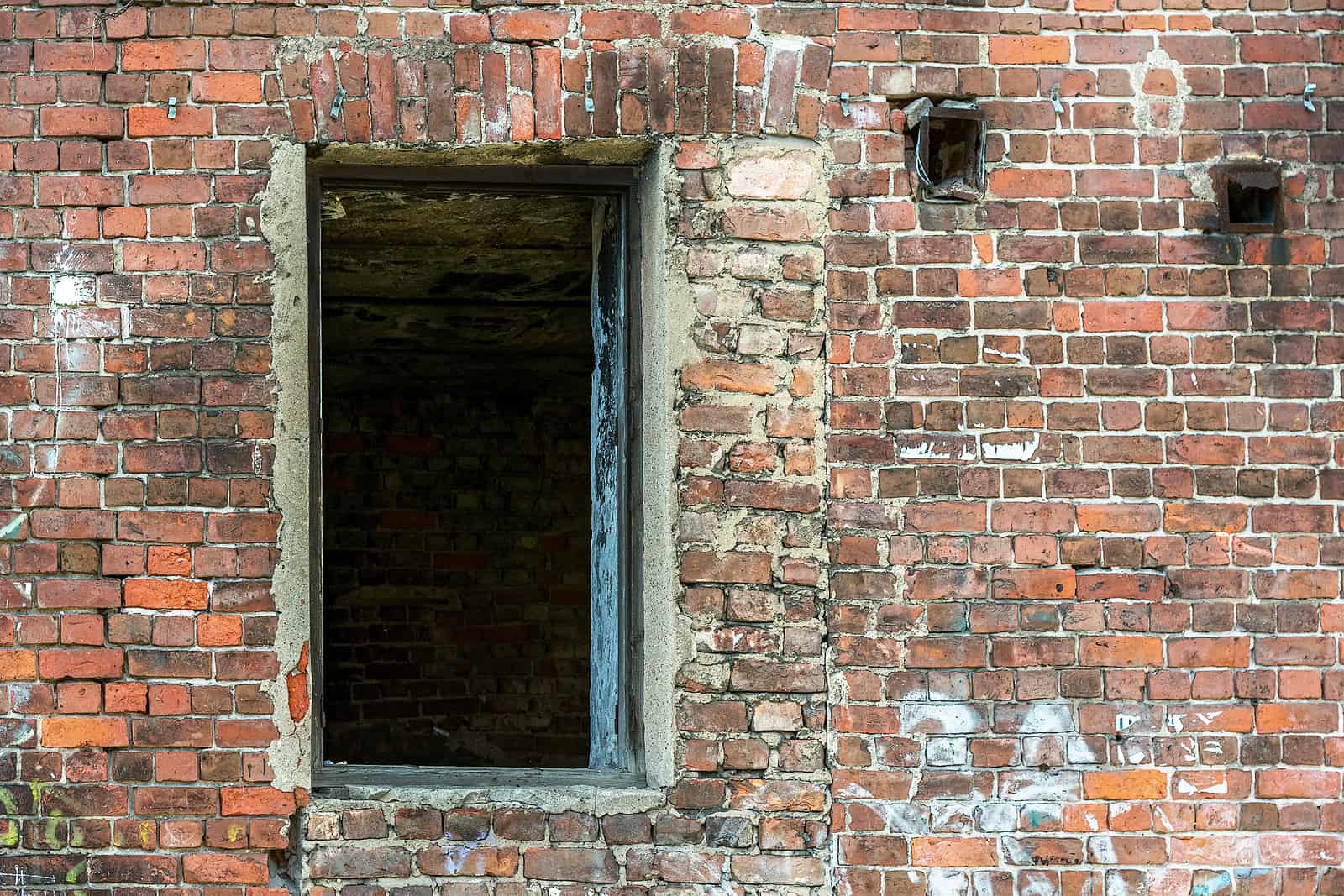
The historic neighborhoods of Washington, D.C. are defined by their character and the stories within their stately walls. Rows of 19th-century brick homes line tree-shaded streets to create an aesthetic that draws in residents and tourists alike. It only takes one home on the block to disrupt that harmony, though. A neglected facade affects more […]
Beyond Aesthetics: How Tuckpointing Prevents Structural Damage
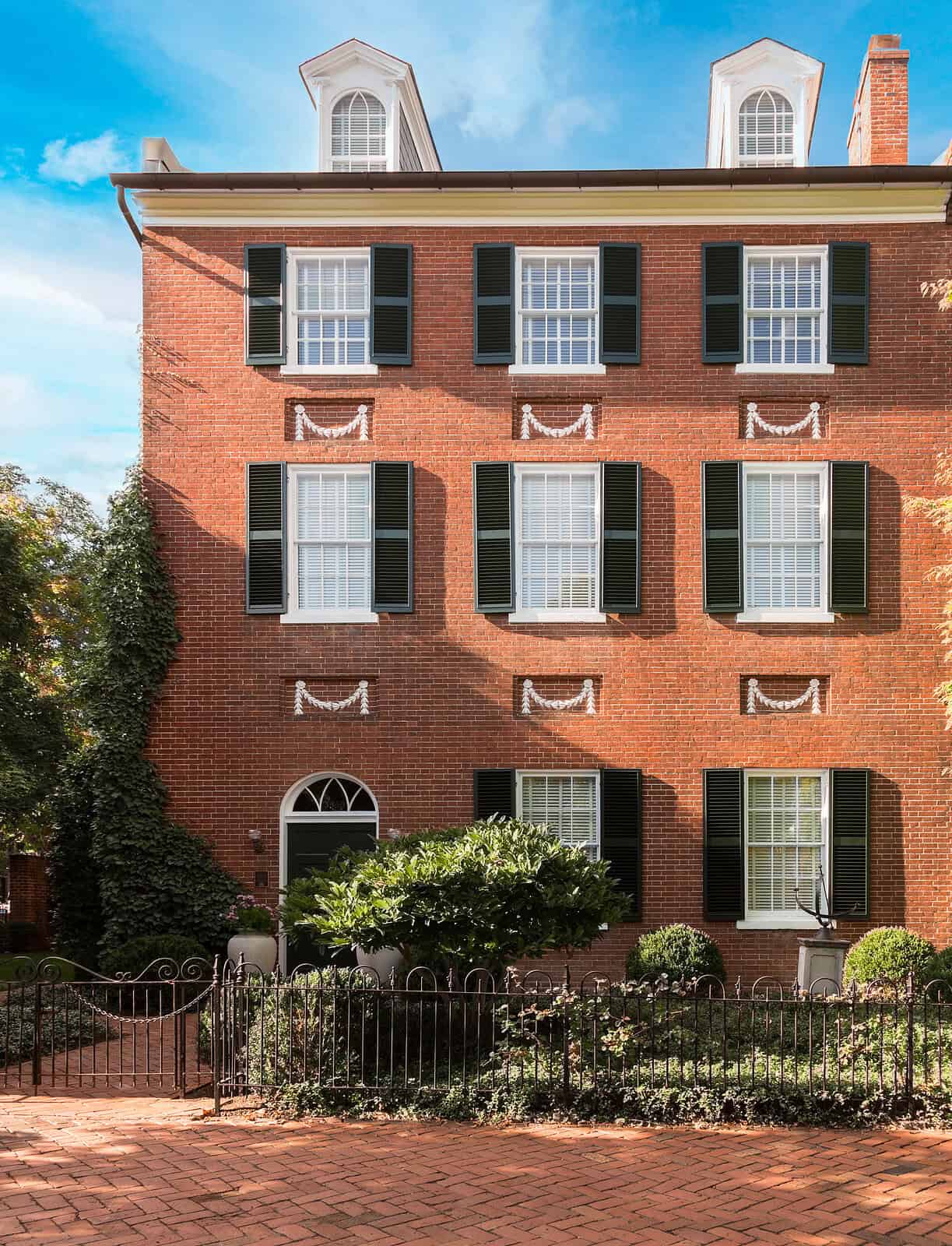
Owning an 18th-century home in the nation’s capital means owning a piece of architectural history and a home that wasn’t built for the modern world. Those hand-laid bricks and lime mortar joints that have withstood centuries of Washington D.C.’s humid summers and harsh winters have long been battling time, the elements, and urban pollution. What […]
Why a Federal‑Era Home Deserves Period‑Appropriate Lime-Based Mortar
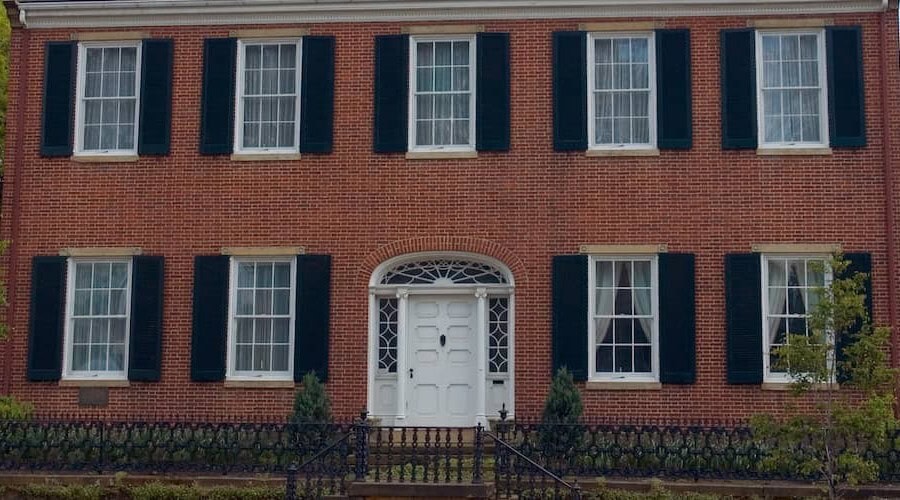
There’s an excellent reason why builders of Federal-era brick homes in D.C. opted for lime-based mortar. It gave walls flexibility, breathability, and even a fascinating self-healing quality, all of which are essential traits for structures that don’t come with the help of modern moisture barriers. What you should know about your well-built piece of architectural […]
Historic Preservation: Proper Tuckpointing is the Sustainable Choice
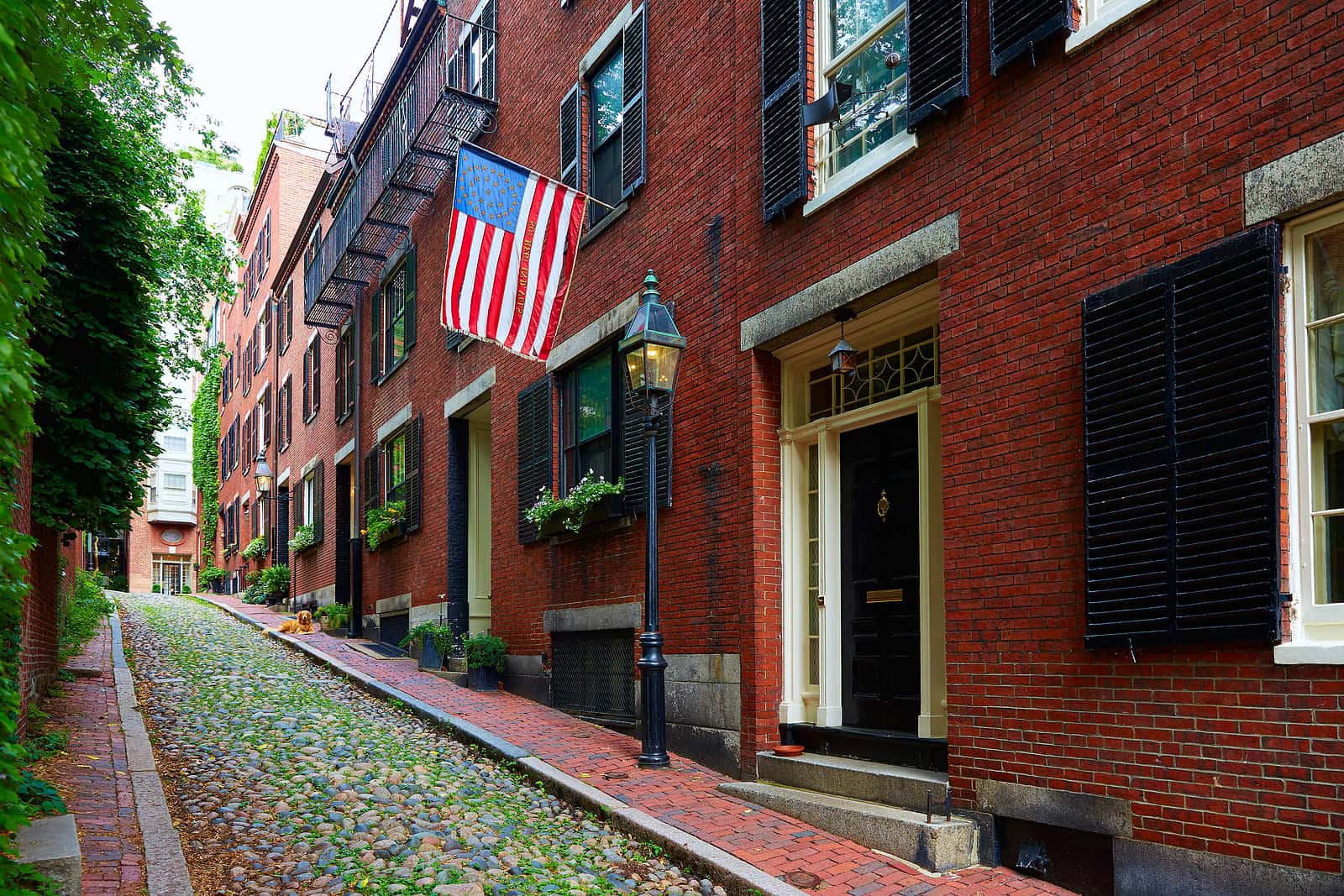
Every time a historic D.C. home is preserved, it’s an act of environmental responsibility. Choosing to carefully repair a brick facade with proper tuckpointing saves the building, making it a sustainable choice that conserves energy, reduces landfill waste, and honors the city’s cherished architectural legacy. When you own one of these historic homes, investing in […]
Reading Brick: How to Spot Early Warning Signs of Mortar Deterioration
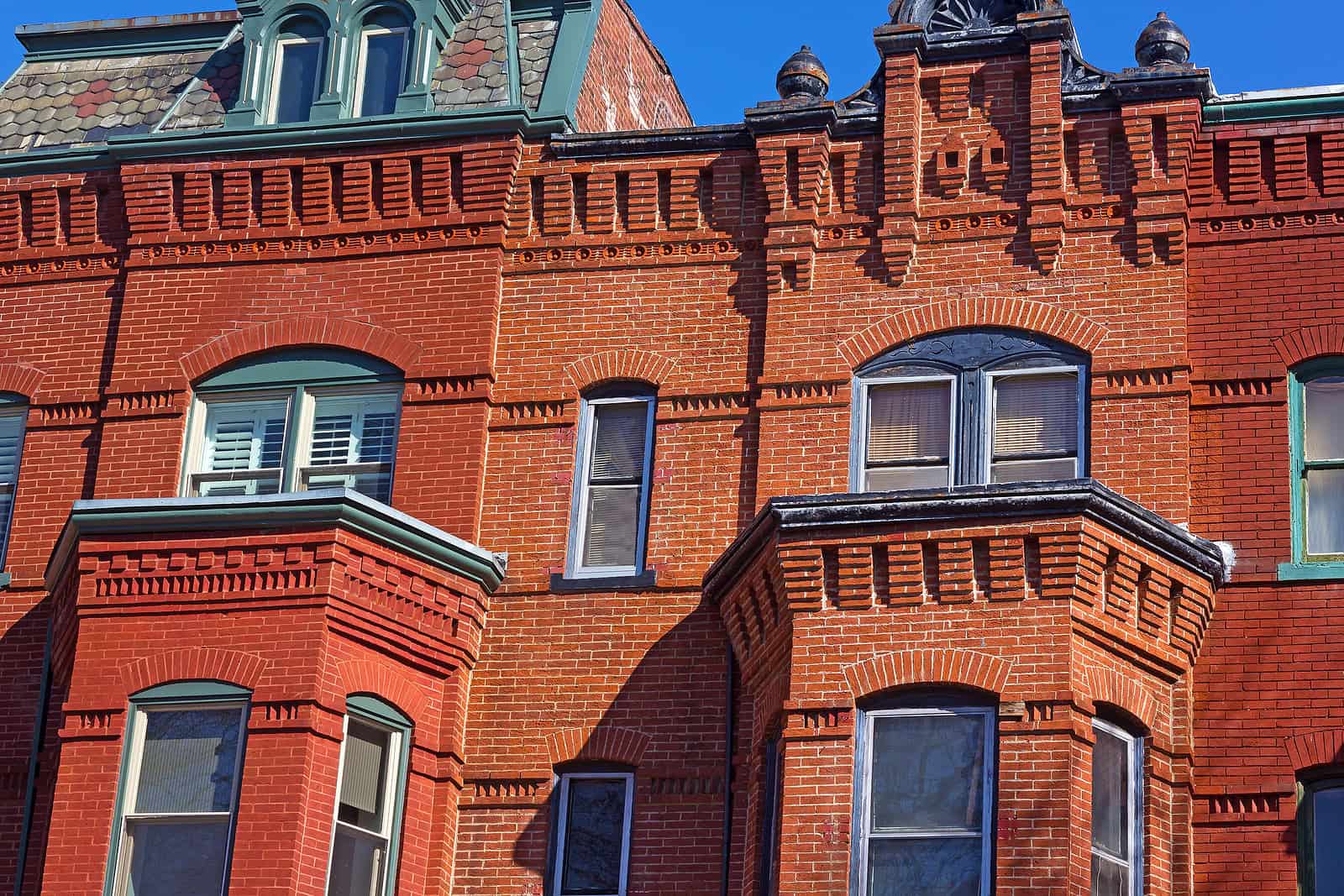
To own a historic brick home in Washington, D.C., is to be the caretaker of a living piece of history. Unlike modern structures, these 19th-century homes were built to breathe, using softer, more forgiving materials that interact with the elements. That’s why paying close attention to your exterior is the key to preserving your home’s […]


