








Historic brick buildings rely on properly maintained mortar joints to protect both their appearance and long-term performance.
Homeowners researching tuckpointing vs repointing while planning brick repair in Washington, DC, quickly notice that some contractors use one term over the other. The difference in wording has led to plenty of unnecessary confusion, especially when both appear to describe the same type of masonry repair.
In American masonry, they generally do. After more than 20 years restoring historic brick buildings throughout Washington, DC, we’ve found that the terminology matters far less than the quality of the repair itself. The mortar, the craftsmanship, and the preservation approach will have a much greater influence on your building’s long-term condition than the word printed at the top of a proposal.
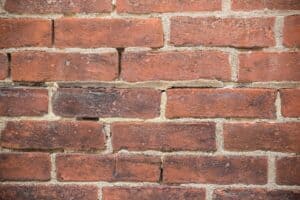
Close-up of historic masonry brick wall showing tuckpointing and aged mortar for restoration.
The Short Answer
Across the United States, tuckpointing and repointing are used to describe the same repair process. Both refer to removing deteriorated mortar from the joints between bricks and replacing it with new mortar to restore the wall’s strength, weather resistance, and appearance.
Although some contractors show preference for one of the terms, homeowners requesting either service are typically seeking the same result. For that reason, the words themselves are less important than the methods and materials a contractor plans to use.
Where the Confusion Comes From
The overlap in terminology developed over time. In traditional British masonry, tuckpointing is a finishing technique that creates the appearance of exceptionally thin mortar joints. Repointing, on the other hand, describes replacing deteriorated mortar.
As those terms became more widely used in the United States, “tuckpointing” evolved into a common name for the same repair process that preservation professionals call repointing. Now, many American contractors use the terms interchangeably, even though the original distinction still appears in some technical and historic preservation references.
Other Terms You Will Encounter
- Pointing: A general masonry term for placing or repairing mortar in the joints between bricks or stone.
- Brick pointing: A common phrase used to describe repairing mortar joints in brick masonry, often interchangeably with tuckpointing or repointing.
- Mortar repair: A broad term that can refer to repointing, patching, or other work that restores damaged mortar.
- Mortar joint repair: A descriptive term for repairing deteriorated mortar joints, regardless of the terminology a contractor prefers.
What Actually Matters More Than the Label
The terminology on a proposal will not determine whether a masonry repair lasts for decades or begins to fail after a few seasons. In our experience restoring historic buildings, the materials, preparation, and workmanship behind the repair are what gets you the final result you want.

Restoration of historic brick masonry and tuckpointing on a Renaissance-era building facade.
Mortar compatibility should always be at the top of the list. Older brick buildings were designed to work with softer, more breathable mortar than many modern masonry products. Installing a mortar that is too hard can trap moisture within the wall, placing unnecessary stress on the surrounding brick and contributing to long-term deterioration.
Existing mortar should be removed to an appropriate depth so the new mortar has enough surface area to form a durable bond. Rushing this step or removing too little deteriorated mortar can shorten the life of the repair, even when the finished joints look neat from the sidewalk.
Even a properly specified mortar might fall short without careful workmanship. Proper joint preparation, careful mortar placement, and a finish that complements the building’s original appearance all contribute to a repair that holds up well.
How to Evaluate a Contractor’s Proposal
A well-written proposal explains more than the cost of the repair. It proves that the contractor understands your building, has selected appropriate materials, and has clearly defined the scope of work. Here are a few details worth reviewing before making a decision.
What Mortar Will They Use and Why?
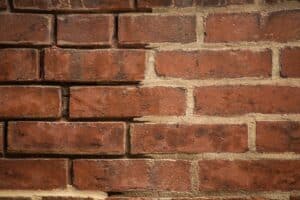
Tuckpointing old brick requires the use of lime mortar to preserve the authenticity and structural integrity of historic brick homes.
The proposal should identify the type of mortar being used and explain why it is appropriate for your building. A contractor familiar with historic masonry ought to be able to discuss mortar compatibility instead of recommending the same mix for every project.
How Deep Will They Remove Existing Mortar?
Removing deteriorated mortar to the proper depth creates the foundation for a long-lasting repair. A proposal that includes this detail demonstrates that the contractor has considered more than the finished appearance of the joints.
Are They Specifying Lime-Compatible Mortar for Historic Brick?
Many older Washington, DC buildings were constructed with softer brick and lime-based mortar. Using a compatible mortar allows the masonry to perform as intended and reduces the risk of unnecessary stress on surrounding brick.
Is the Scope Written Clearly?
It should be clear which areas will be repaired, how the work will be completed, and what is included in the price. Clear expectations benefit both the homeowner and the contractor, reducing the likelihood of misunderstandings once the project begins.
Red Flags in Masonry Proposals
Not every proposal has the same level of detail. Watch for these warning signs when comparing contractors:
- A vague scope of work: General descriptions like “repair brick” or “fix mortar” leave too much open to interpretation.
- No mention of mortar type: Historic masonry repairs should specify the mortar being used or explain how it will be selected. Leaving out this information makes it difficult to evaluate whether the repair is appropriate for your building.
- No site visit before providing an estimate: Every historic building has its own repair history and existing conditions. Contractors who provide a price without inspecting the property first may overlook details that influence the scope of work.
- No explanation for the recommended repair: A proposal should explain why the work is being recommended, not simply list the services to be performed.
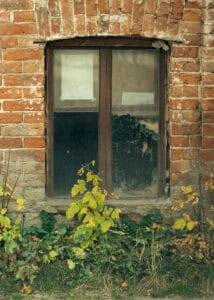
Historic masonry and tuckpointing work on an aged brick window.
Choosing between tuckpointing vs repointing is far less important than choosing a contractor who understands historic masonry. Clear proposals, compatible materials, and skilled workmanship are what protect a building for years to come.
Taking time to understand how mortar joints deteriorate and what goes into professional brick and mortar repair will put you in a much better position to compare proposals. Contact Renaissance Development for a free estimate and a repair plan tailored to your historic masonry.
Frequently Asked Questions
Are tuckpointing and repointing the same thing?
Yes. When comparing tuckpointing vs repointing, the answer is straightforward. In American usage, both terms describe the same process of removing deteriorated mortar from brick joints and replacing it with compatible new mortar.
Why do some contractors say tuckpointing and others say repointing?
The difference is largely based on regional usage and personal preference. What matters most is not the terminology but the materials, workmanship, and repair approach the contractor uses.
What should I ask a contractor before hiring them for tuckpointing or repointing?
Ask what mortar they plan to use and why it is appropriate for your building, how deep they will remove existing mortar, and whether the proposal includes a clearly written scope of work.
How do I know if a contractor is qualified to work on my historic DC home?
Look for demonstrated experience with lime mortar and historic brick rather than general masonry work alone. It’s also worth asking for references from similar historic restoration projects.
Is there a difference in cost between tuckpointing and repointing?
The terminology does not affect the cost. Pricing is typically based on the scope of work, accessibility, material selection, and the extent of deterioration.
Disclaimer: Every effort is made to ensure the accuracy of the information in this article. Please credit rendevdc.com when sharing and reposting.


