






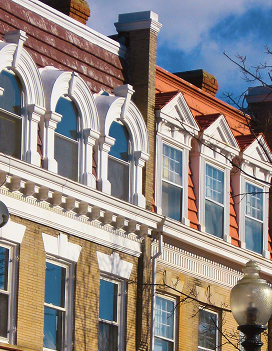
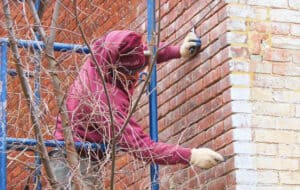
Cold-weather masonry work offers a fitting reminder of how rain, temperature changes, and seasonal exposure affect historic brick.
Historic brick can withstand decades of Washington DC weather, but water is relentless. Rain finds the small weaknesses that develop over time, and the mortar joints typically take the first hit. As those joints crack, erode, or recede, moisture gains a path into the masonry, where repeated wetting and freezing turn a small opening into a much larger problem.
When water shows up inside an older home, the instinct is often to dry the wall, repaint the affected area, or seal the exterior. Those steps may improve the appearance temporarily without addressing why the moisture reached the building in the first place. Water damage and historic brick reflect a pattern that has accumulated through many rainy, dry, and cold seasons.
How Water Enters a Historic Brick Building
Rainwater often finds its way into older brick through small failures in the masonry rather than a single obvious opening. Recessed or missing mortar leaves joints less protected, while cracked brick or spalled faces expose the masonry unit itself. These conditions are not interchangeable, and the appropriate repair depends on whether the problem is confined to the joint or has affected the brick. Mortar is also an important part of the wall’s performance, so replacing historic joints with an incompatible material can create a new problem.
Other entry points occur where the brickwork meets another part of the building. Gaps around rooflines and chimneys, deteriorated chimney caps, and compromised flashing let rain reach portions of the wall that are difficult to inspect from the ground. Window and door openings create similar transitions, with deteriorated joints, cracked brick, or failed sealant leaving gaps around the frame.
Why DC’s Climate Accelerates Water Damage
Washington, DC’s weather rarely gives historic brick the same conditions for long. Summers bring high humidity, frequent rain, and occasional intense storms, while winter temperatures create freezing conditions that can put wet masonry under additional stress. Rainfall also occurs outside the summer months, so a brick façade faces repeated exposure throughout the year and not just one short season of concern. On an older building, that combination of heat, humidity, heavy rain, and freezing weather can magnify weaknesses that might otherwise remain minor.
What Water Damage Looks Like
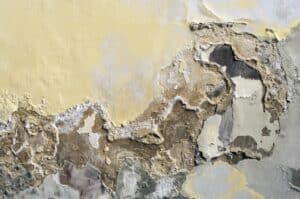
Peeling paint and damaged plaster on an interior wall can signal moisture affecting the building from behind the finish.
For the exterior of a historic brick wall, early visual clues can appear as changes in color or surface texture rather than obvious physical damage. Efflorescence leaves a powdery residue as soluble salts reach the masonry surface, while darker staining and streaking develop where runoff carries dirt and other deposits across the façade. These markings have several possible causes, but recurring white deposits or a distinct trail of discoloration can be useful evidence when the masonry is being evaluated.
Inside the house, moisture-related problems present themselves through damp patches, peeling paint or plaster, or mold near an exterior wall, yet none of these conditions is exclusive to masonry. Condensation, plumbing leaks, roof problems, and ground moisture can produce similar symptoms, so the position of the affected area and its relationship to the exterior wall help decide whether the masonry belongs in the investigation.
When deterioration reaches the brick itself, the change is easier to recognize because portions of the original material begin to disappear. Spalling leaves the surface chipped, flaky, or missing in sections, altering the texture and profile of the brick. Once the masonry unit has lost material, the repair requires an assessment of the damaged brick and the conditions that contributed to its failure.
The Hidden Damage Problem
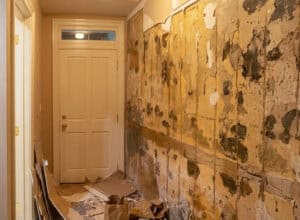
What looks like a small interior blemish may sit in front of a much larger area of masonry affected by moisture.
Interior finishes do not always reveal a masonry problem when it first develops, and plaster or paint can conceal changes within the wall until they become noticeable inside the house. By the time a homeowner sees discoloration, peeling, or dampness, the brick and mortar behind that finish may have already been exposed to the underlying problem for some time. The visible mark therefore represents a point of discovery but is not a reliable indication of when the masonry condition began, which is why the surrounding wall needs to be considered alongside the interior damage.
How to Stop Water Damage at the Source
Recessed or missing mortar is repaired through repointing, with the replacement mortar selected to suit the historic brick and existing joints. Waterproof coatings and sealants have specific uses, but they are not substitutes for deteriorated masonry repair, and applying a coating over damp brick can interfere with evaporation and leave moisture within the wall. The mortar joint belongs at the beginning of the repair sequence, before a coating or sealant is considered as part of the work.
A Note on Sealants
Historic brick is porous by design, and a masonry wall needs a way to release moisture that has entered its materials. A waterproof coating interferes with that release, leaving moisture inside the wall for longer periods than it otherwise would. In freezing weather, that retained moisture increases the potential for damage as water expands within the masonry. The concern is not just how a coating keeps rain out, but how the wall can still dry properly after moisture gets in.
What a Proper Assessment Covers
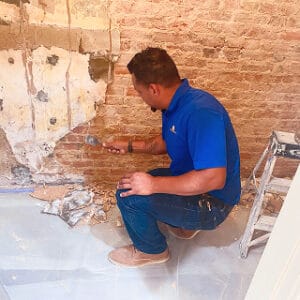
Interior masonry work restores a wall after moisture has taken a toll on its materials.
A masonry specialist does not have to assume the first explanation is the correct one. An interior damp spot, for example, might correspond with an exterior masonry defect, but it might also have another source entirely. The assessment weighs the location, timing, surrounding materials, and visible evidence together, then checks if those details support the same explanation.
That process also means ruling out explanations that do not fit what the building shows. A suspected masonry leak becomes more convincing when related evidence lines up, while conflicting evidence sends the investigation in another direction. This kind of evaluation helps separate a masonry problem from moisture originating elsewhere before repair work is defined.
Fall Is a Practical Time to Evaluate Masonry
Fall creates a useful pause between the heavy rain of summer and the freezing weather that follows. It is a practical point in the year to have exterior masonry checked, especially when you have already noticed changes in the brick or mortar. With colder weather approaching, there is still time to determine which work belongs on the calendar and which issues can be monitored through the season. The right timing varies by project, but catching masonry concerns in the fall allows you to make decisions before winter conditions put the building under another round of weather exposure.
Planning for Water Damage and Historic Brick
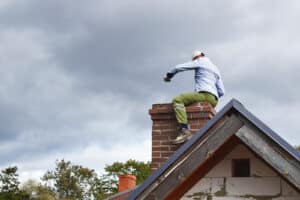
Rainy weather puts historic masonry to the test, especially where existing weaknesses leave brick and mortar vulnerable to repeated moisture.
Historic masonry is built to weather, but its longevity depends on how well the wall manages moisture and seasonal exposure. Small changes in one part of the assembly affect the surrounding materials, so preserving those relationships helps protect both the original masonry and the work already invested in the building.
Water damage and historic brick are part of a larger maintenance question: how should an older wall be cared for? Renaissance Development approaches that question by considering the masonry as it exists today, including its original materials and the repairs it has accumulated over time. Contact us to request a free estimate for your masonry project.
Frequently Asked Questions
How does water get into a historic brick building?
Rain can enter through deteriorated mortar joints, cracked or spalled brick, gaps at rooflines and chimneys, and damaged masonry around windows and doors. Mortar joints are a common entry point as they weather and become recessed or open.
Can I use a waterproof sealant to protect my DC rowhouse brick?
Waterproof coatings and sealants have specific applications, but they are not a substitute for masonry repair. A coating that limits evaporation can leave moisture trapped within a historic brick wall, increasing the potential for damage during freezing weather.
I have damp interior walls. Is this a masonry problem?
It could be, but interior dampness might also result from condensation, plumbing leaks, roof problems, or ground moisture. When water damage and historic brick are suspected, the location of the moisture and the exterior masonry should be evaluated together.
When is the best time to address water damage on a historic DC brick building?
Fall is a practical time to have masonry evaluated before freezing weather becomes routine. The ideal schedule varies by project, so repair timing depends on the building, scope, and seasonal conditions.
What is efflorescence, and is it a serious problem?
Efflorescence is a white, powdery salt deposit left on masonry when moisture carries soluble salts through the brick or mortar and evaporates. It does not automatically mean the masonry is failing, but recurring deposits can indicate moisture moving through the wall.
Disclaimer: Every effort is made to ensure the accuracy of the information in this article. Please credit rendevdc.com when sharing and reposting.


