






Historic Masonry Specialists
Historic Brick Repair & Tuckpointing in Dupont Circle
Protect your Dupont Circle rowhouse, condo building, apartment property, or commercial facade from failing mortar, damaged brick, chimney deterioration, and moisture intrusion.Renaissance Development provides trusted masonry restoration throughout Washington DC, including preservation-minded masonry repair for historic and older buildings throughout Northwest DC.




- Dupont Circle & Northwest DC
- Serving Washington, DC since 2004
- Experienced with Historic Properties
- Licensed & Insured
Masonry Repair for Dupont Circle Rowhouses, Condos, and Historic Buildings
We work near Connecticut Avenue, Massachusetts Avenue, New Hampshire Avenue, P Street, Q Street, 17th Street, Embassy Row, Kalorama, Adams Morgan, and the surrounding Dupont Circle Historic District.
Dupont Circle has a different masonry story than many other DC neighborhoods. Around the circle and along Connecticut Avenue, Massachusetts Avenue, New Hampshire Avenue, P Street, Q Street, and the nearby residential blocks, older brick rowhouses sit beside historic apartment buildings, embassy properties, converted mansions, storefronts, churches, and condo buildings. Many of these buildings were shaped by late-nineteenth and early-twentieth-century construction, and their exterior masonry needs repairs that respect age, materials, access conditions, and historic character.
Renaissance Development evaluates the brick, mortar joints, chimneys, facade conditions, prior patches, moisture staining, settlement cracks, and areas around windows, rooflines, areaways, and party walls before recommending a scope of work. For Dupont Circle properties, that often means balancing preservation, durability, curb appeal, and the practical realities of working on dense Northwest DC blocks.
Why Timely Repair Matters
Dupont Circle Masonry Problems Often Start Small, Then Spread
On Dupont Circle buildings, masonry issues are easy to dismiss at first: a few recessed joints near a stoop, hairline cracking beside a window, flaking brick on an upper facade, moisture staining at a cornice line, or loose mortar on a chimney. In older brick walls, those signs can indicate that water is entering the masonry or that previous repairs are no longer performing.
Timely tuckpointing and brick repair can help reduce moisture intrusion, protect original brickwork, stabilize deteriorated areas, and preserve the appearance of the building. The right repair depends on the location and cause of the failure, whether it is aging mortar, damaged brick units, chimney exposure, trapped moisture behind paint, or incompatible patching from an earlier project.
Common Signs Your Dupont Circle Masonry Needs Attention
- Crumbling, missing, powdery, or recessed mortar joints on brick facades, garden walls, or chimneys
- Cracks in brick or mortar near bay windows, lintels, cornices, rooflines, and wall transitions
- Loose or shifting bricks around stoops, areaways, chimneys, parapets, or upper walls
- Spalling, flaking, or broken brick faces on exposed elevations
- White staining, dark streaks, or recurring dampness on interior walls
- Deteriorated chimney mortar, loose chimney brick, or open joints near the cap
- Hard cement patches that do not match the surrounding historic masonry
- Painted brick with peeling paint, concealed joint failure, or trapped moisture concerns
What Tuckpointing and Brick Repair Mean for a Dupont Circle Building
Tuckpointing & Repointing
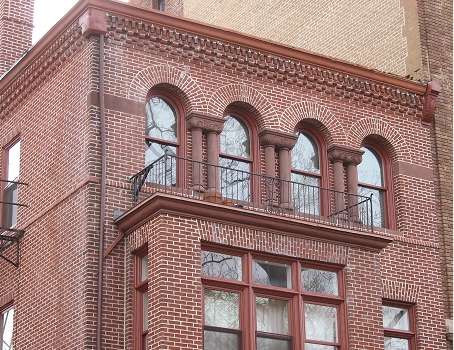
Tuckpointing, also called repointing, removes deteriorated mortar from the joints between bricks and replaces it with new mortar selected for the building. On Dupont Circle properties, the goal is not just to fill joints. The repair should help the wall shed water, protect older brick, and keep the facade looking consistent with the surrounding masonry.
Brick Repair
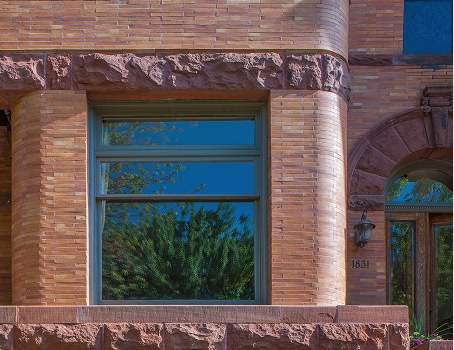
Brick repair addresses damaged masonry units, loose areas, cracks, spalling, or previous patches that no longer belong. Depending on the condition, the work may involve stabilizing masonry, repairing localized damage, removing incompatible repairs, or selectively replacing brick where preservation is no longer practical.
Mortar Replacement
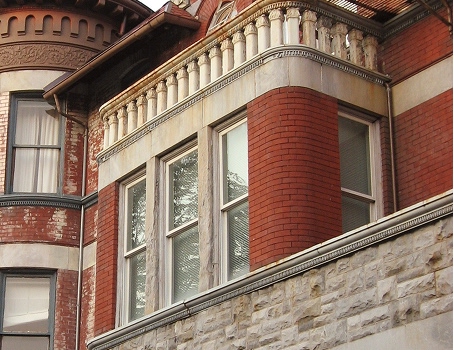
Many older Dupont Circle buildings were constructed with load-bearing masonry, softer historic brick, lime-based mortar, or layered additions from different periods. Replacement mortar and repair methods should be compatible with the existing wall so the work does not trap moisture, damage older brick, or create a visible patchwork effect. Similar historic masonry considerations apply to Georgetown properties.
Protect the Character and Condition of Your Dupont Circle Building
- Preservation-minded masonry specialists
- Repairs planned around older brick, mortar, and facade details
- Clear scope before small failures become larger masonry problems




Request a Free Masonry Estimate
Tell us what is happening at the property.
Describe the mortar, brick, chimney, facade, stoop, or moisture issue you are seeing. Our team will follow up about your Dupont Circle property and the next step.
Tuckpointing & Brick Repair Services in Dupont Circle
Whether you call it tuckpointing, repointing, mortar repair, brick restoration, chimney repair, or facade repair, Renaissance Development starts by evaluating what is failing and how that issue relates to the rest of the wall. That matters in Dupont Circle, where one property may include historic brick, later additions, painted surfaces, exposed party walls, and high-visibility street-facing facades.
01
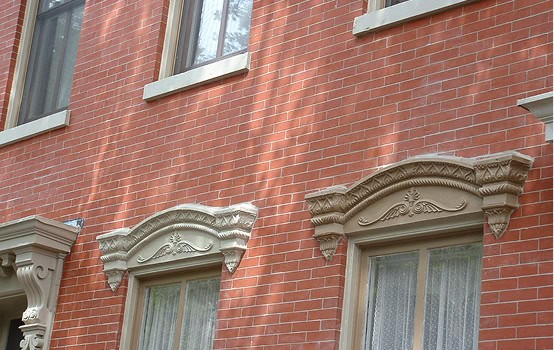
Tuckpointing & Repointing
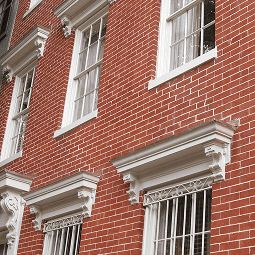
Removal of deteriorated mortar from brick joints and replacement with mortar selected for compatibility, appearance, and performance. This helps protect older Dupont Circle facades from moisture intrusion and continued joint failure.
02
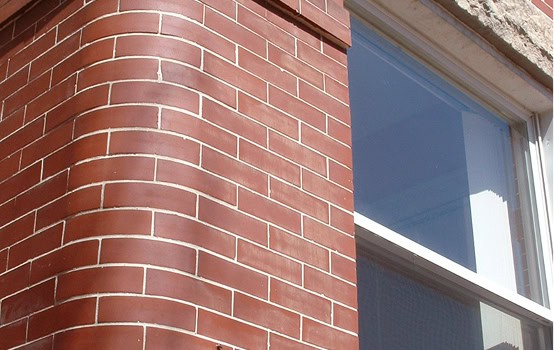
Mortar Repair & Restoration
Repair of cracked, recessed, missing, or failing mortar joints on rowhouses, apartment buildings, condo properties, garden walls, chimneys, and older commercial masonry.
03
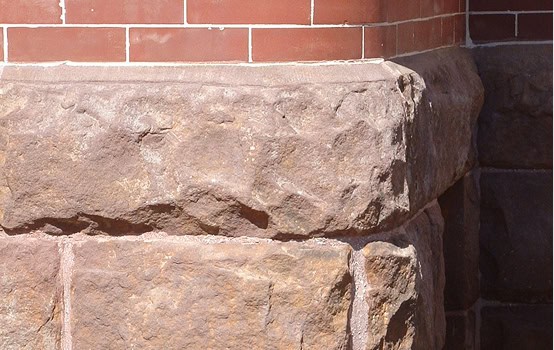
Brick Repair & Selective Replacement
Repair of cracked, loose, broken, or spalling brick. When a brick cannot be preserved, selective replacement is approached with attention to color, size, texture, placement, and the surrounding wall.
04
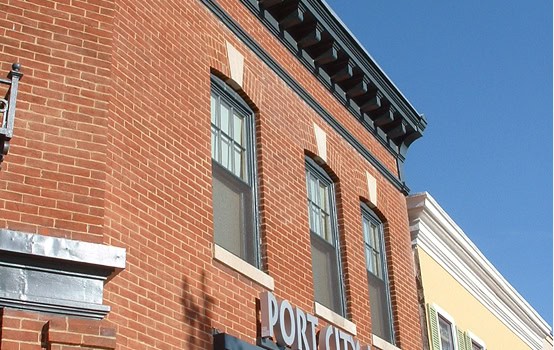
Brick Façade Restoration
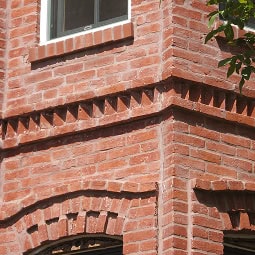
A Dupont Circle facade may need more than one repair type. The scope can include tuckpointing, removal of incompatible cement patches, selective brick replacement, crack repair, chimney work, and appropriate cleaning of the completed masonry.
05
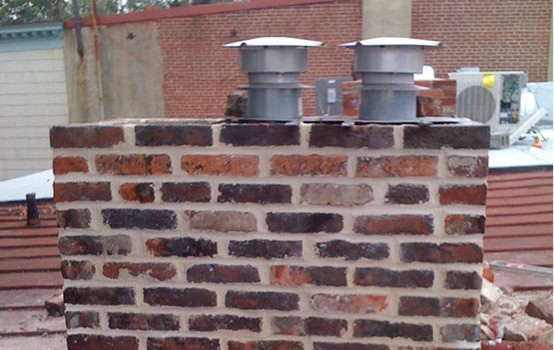
Chimney Repair
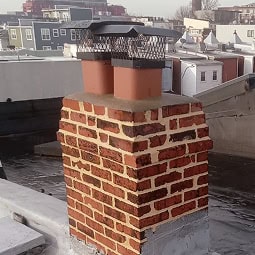
Chimneys are highly exposed to weather and often show missing mortar, open joints, loose bricks, or spalling. Chimney restoration may include tuckpointing, crown or cap evaluation, and selective brick repair as part of a broader masonry scope.
06
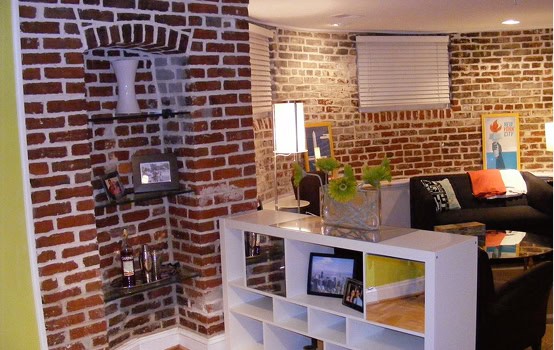
Painted & Interior Brick Evaluation
Paint can conceal failing joints and damaged brick, while interior dampness may point to exterior masonry conditions. We evaluate visible symptoms and recommend the appropriate response based on the age, materials, and condition of the building.
Why Dupont Circle Owners Choose Renaissance Development
Owners of Dupont Circle buildings are rarely looking for a quick patch. They need a masonry company that understands historic materials, tight urban access, visible street-facing facades, condo and multi-unit coordination, and the importance of repairs that look right once the scaffolding comes down. These same concerns are common when working on Logan Circle buildings.
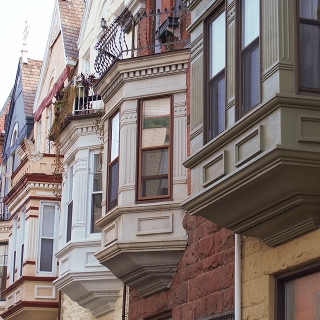
Preservation-Minded Masonry Repair
We approach tuckpointing and brick repair as part of a larger preservation strategy. Recommendations are made to protect the wall while preserving the character, proportions, and historic fabric of the building.
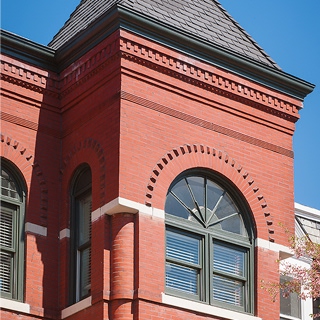
Attention to Detail That Matters
Mortar color, joint profile, brick selection, texture, tooling, and the relationship between new and existing work all influence the finished result. These details matter on Dupont Circle facades where repairs are often highly visible from the sidewalk.
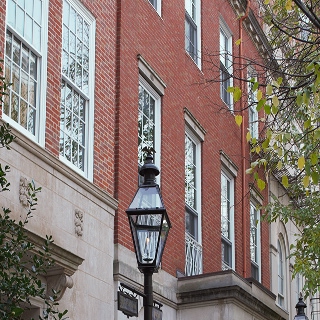
Comprehensive, Long-Term Solution
Rather than treating only the most obvious symptom, we evaluate the overall masonry condition and recommend repairs that address underlying issues for lasting performance.
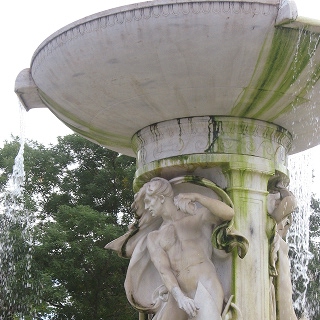
Washington, DC-Based Since 2004
Renaissance Development is based in Washington, DC and has served the District since 2004. Our team brings preservation knowledge, clear communication, respectful work practices, and skilled craftsmanship to historic masonry projects throughout Northwest DC.
Why Timely Repair Matters
Why the Right Masonry Approach Matters in Dupont Circle
Historic materials need compatible repairs
Older masonry is not well served by hard or visually incompatible repairs. Mortar should work with the surrounding brick, allow the wall to manage moisture appropriately, and match the existing joint in color, texture, and profile as closely as practical.
Visible damage may point to a larger wall condition
A worn joint near a stoop, a crack beside a window, or spalled brick on an upper facade may be the most obvious symptom rather than the full problem. We evaluate surrounding masonry, prior repairs, moisture exposure, and related wall areas before defining the scope.
Dense Northwest DC blocks require careful planning
Dupont Circle projects can involve sidewalk visibility, tight access, neighboring properties, historic review, condo coordination, and occupied buildings. Good restoration depends on both preservation knowledge and careful execution from start to finish.
Project Types We Handle in Dupont Circle
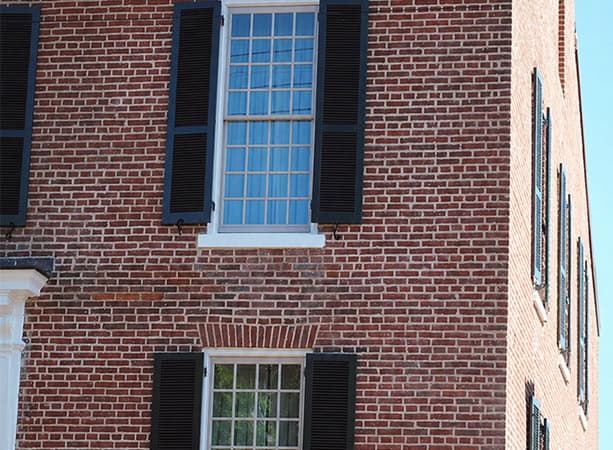
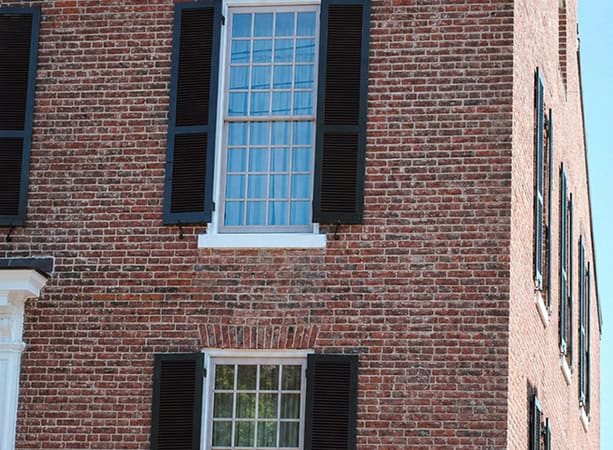
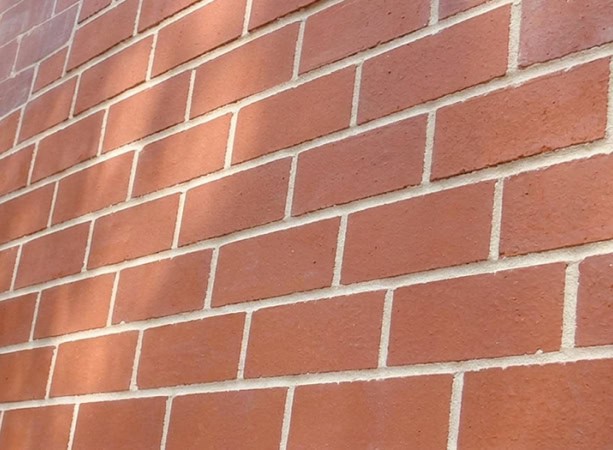
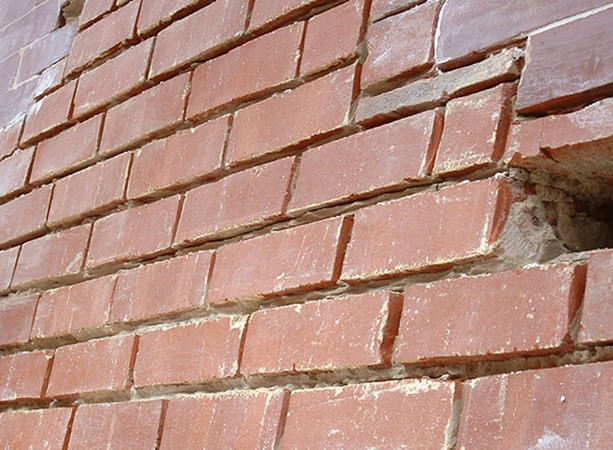
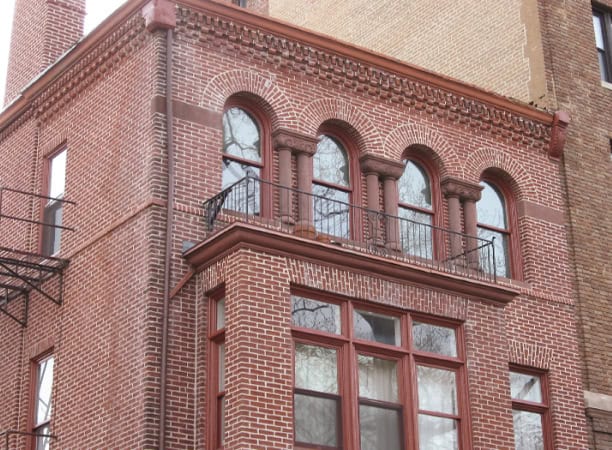
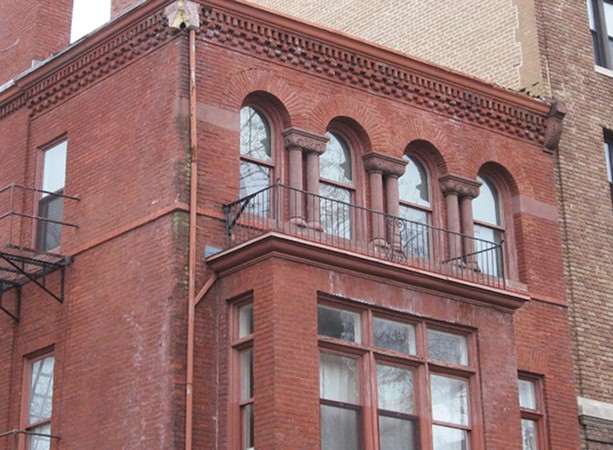
The examples below show the kinds of masonry conditions Renaissance Development evaluates and repairs on historic DC buildings. For Dupont Circle properties, that often includes deteriorated facade joints, spalling brick, chimney exposure, patched masonry, painted brick, and tight access near sidewalks, alleys, and neighboring buildings. Every project starts with an on-site evaluation so the repair plan fits the actual wall, not a generic checklist.
What to Expect From Our Process
Evaluate the Masonry
We inspect visible brick and mortar conditions, including cracking, moisture staining, loose masonry, prior patches, chimneys, parapets, stoops, facade details, and areas around windows, doors, areaways, and rooflines.
Recommend the appropriate scope of work
After the on-site evaluation, we provide a written proposal outlining the recommended restoration approach and the areas to be addressed.
Plan access, protection, and permits
When access coordination, scaffolding, DC permits, or historic-preservation review are required, those steps are incorporated into the project process before work begins.
Prepare and protect
We coordinate access and protect the building, adjacent surfaces, landscaping, sidewalks, and neighboring property that may be affected by staging or restoration work.
Complete careful restoration work
Deteriorated mortar is removed, damaged masonry is addressed, and the new work is completed with attention to compatibility, joint profile, appearance, and long-term performance.
Review the results
At completion, we review the work with the client and make sure questions have been addressed clearly and thoroughly.
Serving Dupont Circle
Renaissance Development is a Washington, DC masonry company serving Dupont Circle and nearby Northwest DC neighborhoods. From our DC base, we work on historic brick rowhouses, condo and apartment buildings, commercial facades, chimneys, stoops, garden walls, and exterior masonry features where repairs need to respect both the building and the block.
Common Questions About Tuckpointing & Brick Repair in Dupont Circle
What is the difference between tuckpointing and repointing?
The terms are commonly used interchangeably. Both refer to removing deteriorated mortar from brick joints and replacing it with new mortar so the wall can be properly restored.
Do I need brick repair or tuckpointing?
It depends on what is failing. If the bricks themselves are cracked, spalling, loose, or broken, brick repair or selective replacement may be needed. If the mortar between the bricks is crumbling, recessed, or missing, tuckpointing or repointing may be part of the solution. Many historic masonry projects require both.
Why do older Dupont Circle buildings need a special approach?
Many Dupont Circle buildings include older brick, lime-based mortar, historic facade details, and construction methods that behave differently from modern masonry systems. Repairs should be compatible with the original materials and planned around how the wall manages moisture, not based on a one-size-fits-all modern patch.
Can failing mortar cause a brick wall to leak?
Yes. Open or deteriorated joints can allow water to enter the masonry. Damp interior walls, staining, or recurring moisture problems may be related to failing exterior mortar or damaged brick, although the source should be evaluated before a repair scope is recommended.
Do Dupont Circle Historic District properties need permits for masonry work?
Exterior masonry work on a historic property may require a DC building permit and historic-preservation review, depending on the property, location, and scope. Renaissance Development incorporates required permitting steps into project planning and can explain the anticipated process. Final requirements are determined by the appropriate District agencies.
Can you match the existing brick and mortar?
Matching is always a priority. We look closely at brick color, size, texture, mortar composition, color, tooling, and the overall wall appearance. Exact brick matches are not always available on older buildings, but the repair should be selected and executed so it blends as naturally as practical with the surrounding masonry.
How long does a tuckpointing or brick repair project take?
Timing depends on the size of the building, the number of walls included, access conditions, weather, permit requirements, and the extent of deterioration. Your written proposal will include a project expectation based on the condition and scope of your building.
What affects the cost of masonry repair in Dupont Circle?
Cost is influenced by the size of the repair area, the amount of mortar deterioration, the number of damaged bricks, access and scaffolding requirements, chimney or roofline conditions, prior incompatible repairs, permit needs, and whether the work is localized or part of a broader facade restoration.
Do you provide free estimates?
Yes. Renaissance Development provides free estimates and will explain the observed conditions, the recommended next step, and the proposed scope of work.
Do you work on Dupont Circle properties?
Yes. Renaissance Development serves Dupont Circle and nearby Northwest DC neighborhoods, including Kalorama, Adams Morgan, Logan Circle, Georgetown, West End, Shaw, Columbia Heights, and Foggy Bottom. The company is based in Washington, DC at 323 C Street SE.
Restoration • Rejuvenation • Rebirth
Schedule a Free Inspection for Your Dupont Circle Property
If your rowhouse, condo building, apartment property, commercial facade, chimney, stoop, or garden wall is showing signs of failing mortar, loose brick, spalling, cracking, or moisture intrusion, Renaissance Development can evaluate the masonry and recommend the appropriate scope of work.
Tell us what you are seeing, and our team will follow up about your Dupont Circle property and the next step.
Tuckpointing
Masonry Restoration
Chimney Repair
Patios
Walkways
Retaining Walls


