






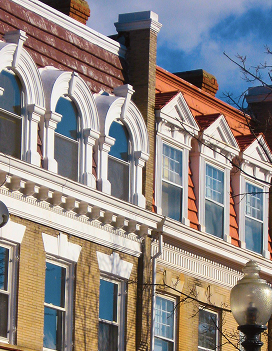
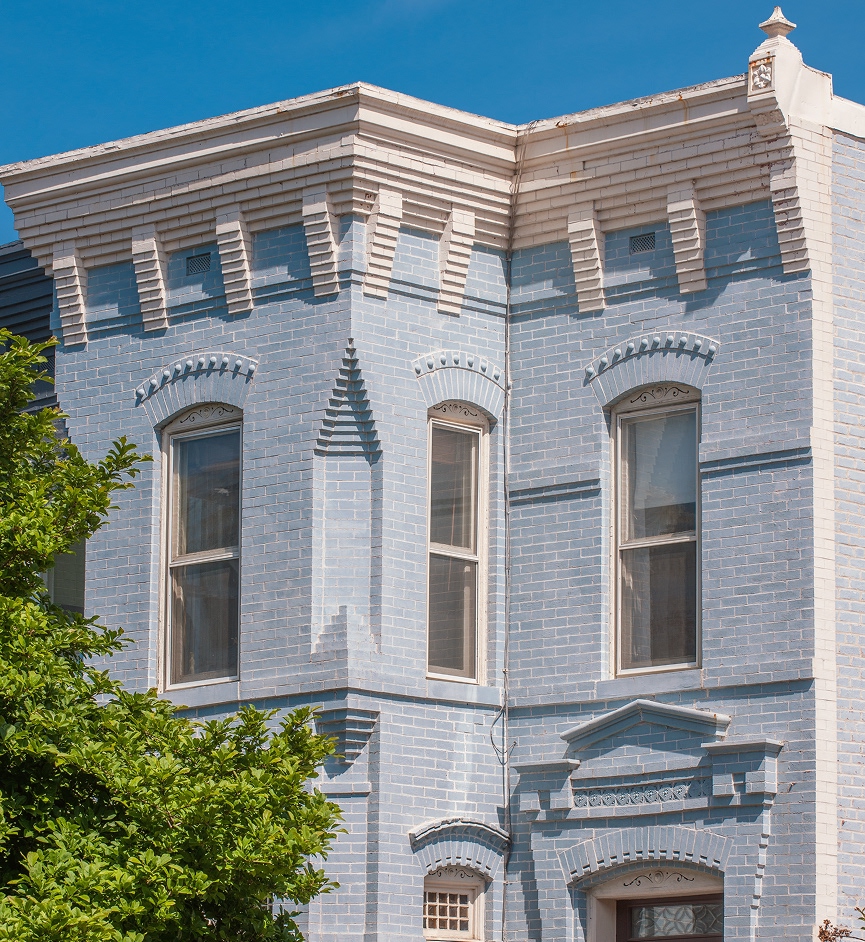
Historic Masonry Specialists
Georgetown Historic Masonry Repair, Brick Restoration & Tuckpointing
Georgetown buildings are exposed to a hard mix of age, weather, foot traffic, steep grades, older chimneys, and preservation requirements. Renaissance Development, drawing on our historic masonry restoration reputation across the city, repairs failing mortar, damaged brick, garden walls, stoops, storefront masonry, and historic facades throughout Georgetown and nearby Northwest DC.




- Georgetown Historic District
- DC masonry company since 2004
- Old-building repair experience
- Licensed & insured
Masonry Repair for Georgetown Rowhouses, Historic Homes, and Commercial Facades
We work near M Street, Wisconsin Avenue, the C&O Canal, Georgetown Waterfront, Book Hill, West Village, East Village, Georgetown University, Volta Park, and the surrounding Georgetown Historic District.
Georgetown is one of Washington, DC's oldest and most carefully preserved neighborhoods. Its masonry story is shaped by Federal and Victorian rowhouses, brick and frame homes, cobblestone streets, canal-era buildings, storefronts along M Street and Wisconsin Avenue, university-area properties, garden walls, chimneys, and riverfront structures near the Potomac. Historic properties in Dupont Circle present many of the same preservation and masonry considerations.
Renaissance Development evaluates brick, mortar joints, chimneys, stoops, facades, prior patches, moisture staining, settlement cracks, lintels, parapets, and areas around windows, doors, rooflines, areaways, and party walls before recommending a scope of work. In Georgetown, the right repair needs to respect the building, the block, historic review expectations, and the practical access challenges of narrow streets and dense residential areas.
Why Timely Repair Matters
Georgetown Masonry Problems Often Start at the Joints, Chimneys, and Street-Facing Facades
On Georgetown buildings, masonry problems often begin with small visible changes: recessed joints near a stoop, cracked mortar beside a window, spalling brick on a street-facing wall, staining around a cornice, loose chimney brick, or hard cement patches that do not match the surrounding historic masonry. Those symptoms can point to water entering the wall, aging mortar, trapped moisture behind paint, or older repairs that are no longer performing.
Timely tuckpointing and brick repair can help reduce moisture intrusion, protect original brickwork, stabilize deteriorated areas, and preserve the appearance of the building. The right scope depends on what is failing and where it is happening, whether the issue is a chimney, facade, garden wall, painted brick surface, storefront masonry, or a localized area around an opening.
Georgetown Brick, Mortar, Chimney, and Stoop Problems to Watch For
- Soft, recessed, or sandy mortar on older rowhouse facades
- Cracking near stone lintels, window openings, cornices, and rooflines
- Loose brick at chimneys, parapets, party walls, stoops, or retaining edges
- Spalled brick on street-facing walls exposed to rain, splashback, or freeze-thaw cycles
- White efflorescence, dark staining, or damp plaster on interior walls
- Previous cement repairs that stand proud, shed poorly, or look too hard for the brick
- Painted masonry where peeling paint may be hiding joint failure below
- Garden walls, areaways, or alley elevations with open joints and water exposure
How Masonry Repair Works on Older Georgetown Properties
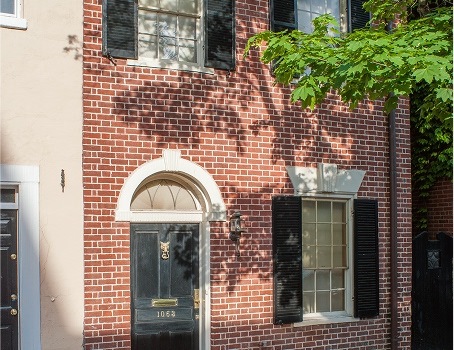
Tuckpointing & Repointing
Repointing in Georgetown starts with removing loose or failing mortar to the proper depth, then placing new mortar that suits the age and hardness of the existing brick. On highly visible facades, the joint profile, color, texture, and tooling matter as much as the repair itself.
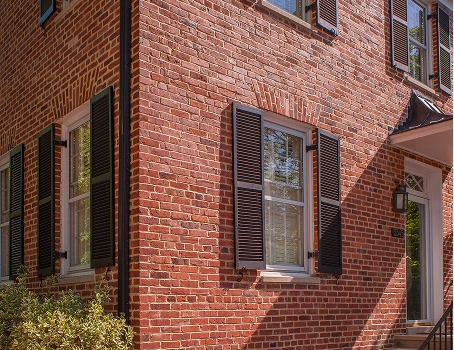
Brick Repair
Brick repair is used when the masonry unit itself is cracked, spalling, loose, or previously patched with the wrong material. The goal is to preserve sound original brick where possible, then blend any selective replacement into the existing wall so it does not call attention to itself.
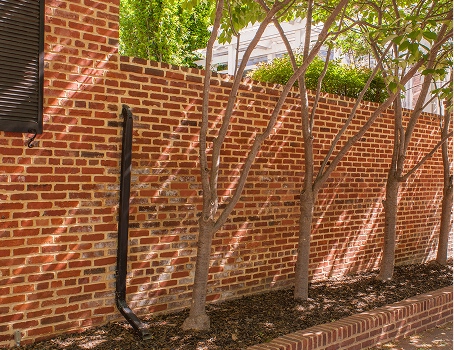
Mortar Replacement
Georgetown buildings may combine eighteenth- and nineteenth-century masonry, later additions, painted rear elevations, stone trim, brick garden walls, and chimneys rebuilt at different times. Mortar selection and repair sequencing should account for those layers before work begins.
Keep Georgetown Brickwork Stable Without Losing Its Historic Character
- Mortar and brick repairs planned around historic materials
- Careful work on stoops, chimneys, facades, garden walls, and alleys
- Repair recommendations that account for review, access, and long-term moisture control




Request a Free Masonry Estimate
Tell us what is happening at the property.
Describe the mortar, brick, chimney, facade, stoop, garden wall, or moisture issue you are seeing. Our team will follow up about your Georgetown property and the next step.
Georgetown Masonry Services for Homes, Storefronts, and Historic Walls
Georgetown masonry work is rarely just one thing. A single property may have a Federal-style front facade, a painted rear wall, a chimney with open joints, a brick garden wall, and old cement patches along an areaway. We evaluate the full condition before recommending tuckpointing, selective brick repair, chimney work, facade restoration, or a phased repair plan.
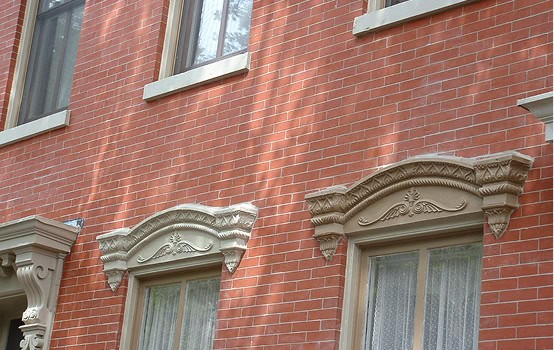
01
Tuckpointing & Repointing
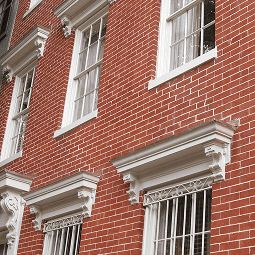
Careful removal and replacement of failing mortar on historic facades, side walls, rear elevations, stoops, and garden walls. We focus on joint depth, tooling, color, texture, and compatibility with older Georgetown brick.
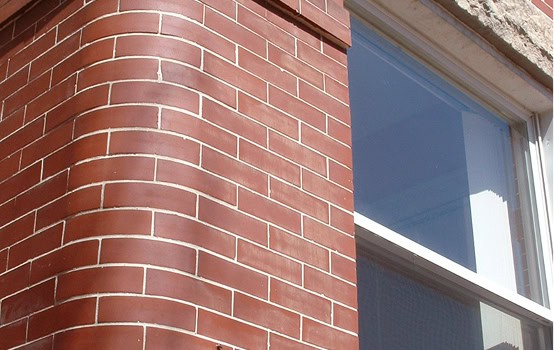
02
Mortar Repair & Restoration
Targeted repair for missing, cracked, washed-out, or recessed mortar joints on residential and commercial masonry, including walls affected by splashback, roof runoff, vines, paint, or prior patching.
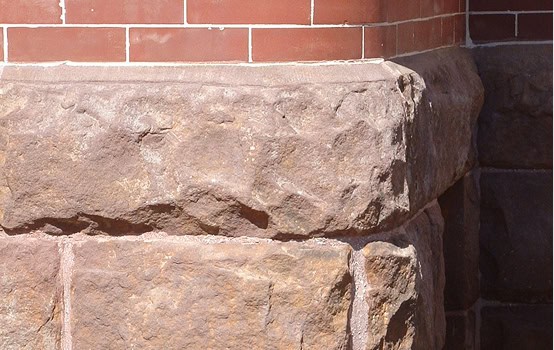
03
Brick Repair & Selective Replacement
Repair of cracked, loose, broken, or spalled brick on facades, chimneys, stoops, areaways, parapets, and garden walls. When replacement is needed, matching size, color, texture, and placement is part of the scope.
04
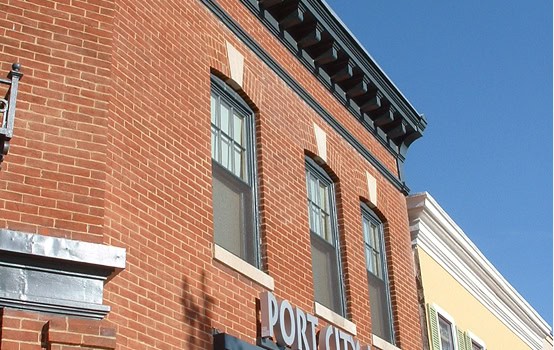
Brick Façade Restoration
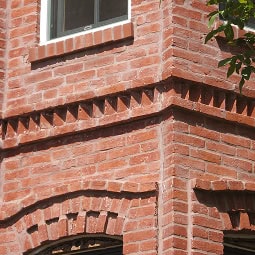
Facade restoration can include repointing, removal of incompatible patches, selective brick replacement, crack repair, chimney tie-ins, and final cleaning suited to the masonry. In Georgetown, visible repairs should read as part of the original wall, not as an obvious modern patch.
05
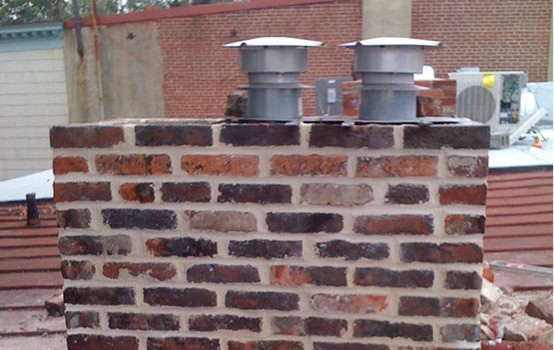
Chimney Repair
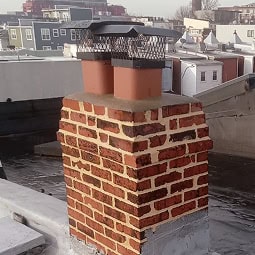
Georgetown chimneys often take the brunt of weather exposure above rooflines. We evaluate open joints, loose brick, spalling, crown or cap issues, and how chimney deterioration relates to the surrounding wall and roofline.
06
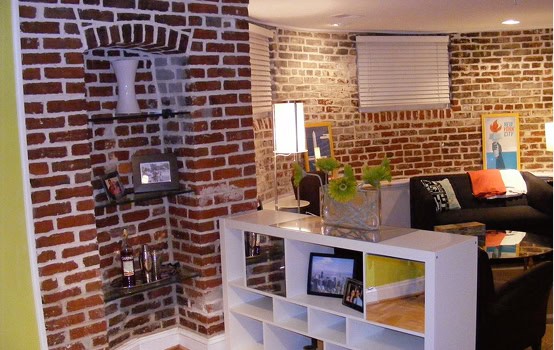
Painted & Interior Brick Evaluation
Painted brick and interior dampness need careful diagnosis. Paint can hide joint failure, trap moisture, and make it harder to see whether the problem starts at the exterior wall, chimney, areaway, roofline, or a previous repair.
Why Georgetown Owners Choose Renaissance Development
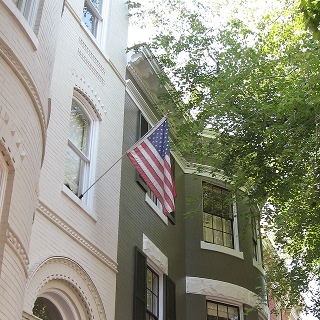
Georgetown owners need more than a contractor who can point mortar into a joint. They need a team that understands historic facades, dense access, Old Georgetown review concerns, occupied homes and storefronts, and the visual standard expected on one of DC's most recognized streetscapes. These considerations also matter when restoring historic facades in Logan Circle.
Preservation-Minded Masonry Repair
Renaissance Development approaches Georgetown masonry as preservation work first. We look at how the wall was built, what has changed over time, and which repairs will protect the structure without flattening its historic character.
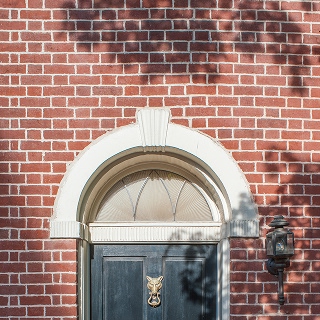
Attention to Detail That Matters
A slightly wrong mortar color, overly hard joint, or mismatched brick can stand out quickly on a Georgetown facade. We pay close attention to tooling, texture, joint profile, brick selection, and how new work meets old work.
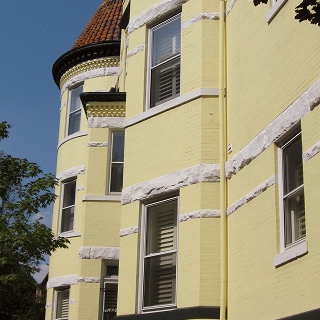
Comprehensive, Long-Term Solution
When one area is failing, the visible symptom may not be the whole issue. We look at runoff, rooflines, chimneys, paint, prior repairs, and adjacent wall areas so the proposed scope addresses the cause, not only the mark on the surface.
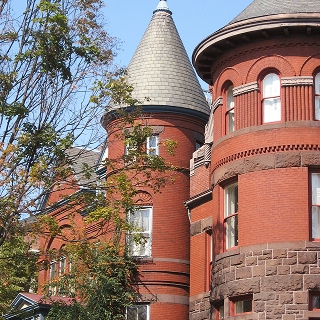
Washington, DC-Based Since 2004
Renaissance Development is based in Washington, DC and has worked across the District since 2004. For Georgetown properties, our team brings preservation judgment, clear communication, careful site protection, and skilled masonry execution to each repair.
Why Timely Repair Matters
Why the Right Masonry Approach Matters in Georgetown
The Old Georgetown context changes the planning
Many exterior repairs in Georgetown require more care because the neighborhood has special historic review procedures. The repair method, visible materials, access plan, and finished appearance should be considered before the proposal is finalized.
Canal-era and Federal-era brick need compatible mortar
Older brick can be damaged by mortar that is too hard or visually mismatched. A good repair allows the wall to handle moisture while keeping the joint profile and texture appropriate for the building.
Access is often part of the masonry problem
Narrow streets, steep grades, alleys, adjoining homes, garden walls, and busy storefront blocks affect how work is staged and protected. Planning matters as much as pointing when the property sits in a dense historic neighborhood.
Project Types We Handle in Georgetown
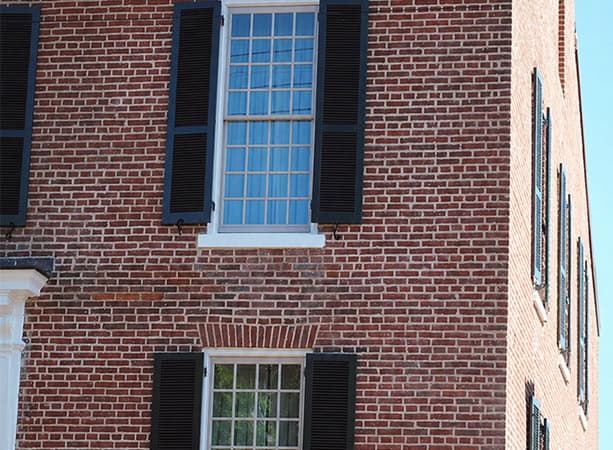
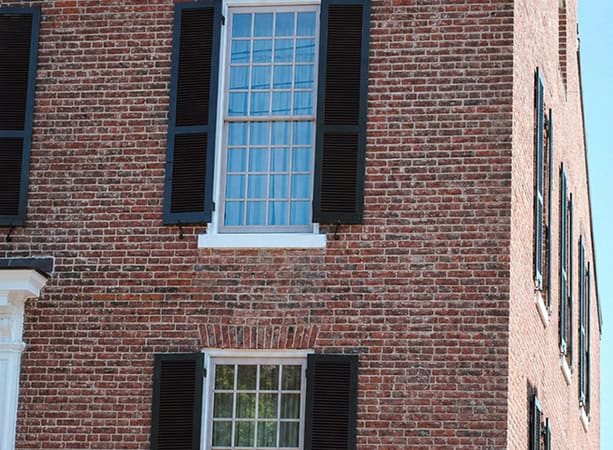
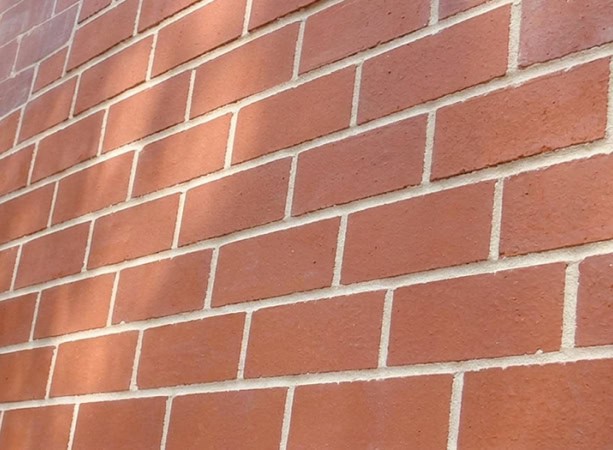
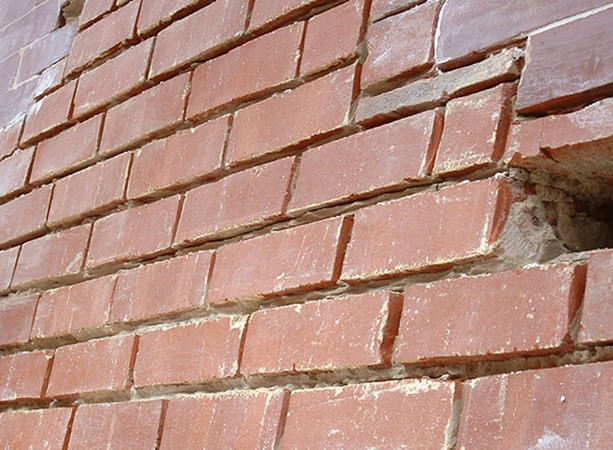
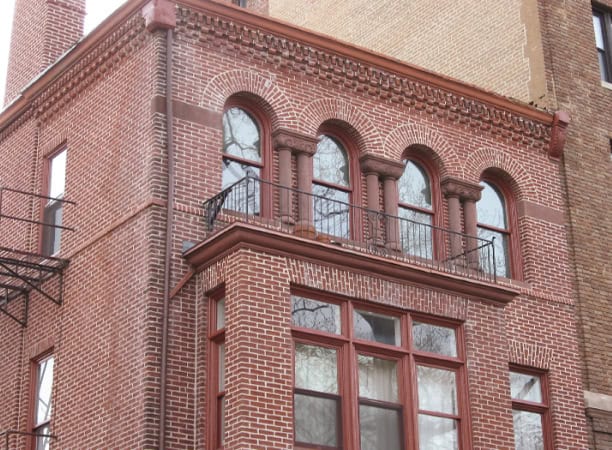
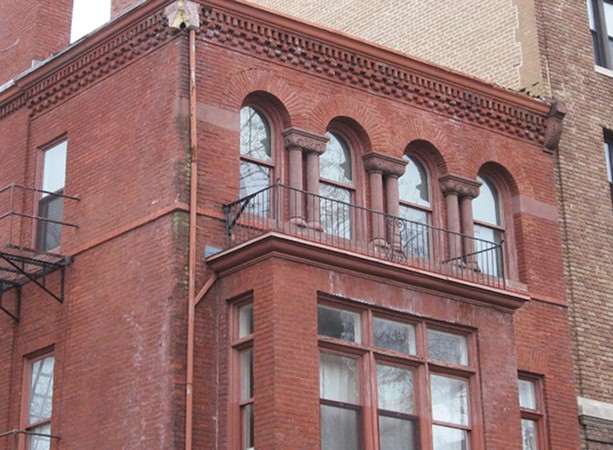
The examples below represent the kinds of masonry conditions Renaissance Development evaluates on historic DC buildings. In Georgetown, similar repair scopes often involve worn facade joints, spalling brick near rooflines, chimney deterioration, cracked stoops, garden walls, painted rear elevations, and older patches that no longer match the surrounding wall. The final scope is based on what we find at the property, not a canned location-page checklist.
What to Expect From Our Process
Read the building and the block
We look at visible brick, mortar, chimneys, stoops, garden walls, painted areas, prior repairs, drainage patterns, nearby surfaces, and the access constraints around the property.
Identify what is actually failing
The problem may be deteriorated mortar, spalling brick, trapped moisture, a chimney issue, a hard cement patch, or water movement from above. We separate the symptom from the cause before defining the repair.
Plan review, access, and protection
When permits, Old Georgetown review, scaffolding, sidewalk protection, neighboring walls, or storefront coordination are involved, those requirements are built into the project plan.
Prepare the masonry carefully
Deteriorated mortar or damaged material is removed with care so sound historic brick is not harmed unnecessarily.
Complete the repair to match the wall
New mortar, brick repair, tooling, and cleaning are handled with attention to appearance, compatibility, and long-term performance.
Review the finished work
At completion, we walk through the work, answer questions, and confirm that the repaired areas have been addressed clearly.
Serving Georgetown
Renaissance Development serves Georgetown from our Washington, DC base, with work on historic homes, rowhouses, storefronts, apartment buildings, chimneys, stoops, garden walls, and exterior masonry. Georgetown projects often require careful staging, neighbor awareness, and repair choices that respect both the property and the surrounding historic streetscape.
Georgetown Masonry Repair FAQs
Is tuckpointing the same as repointing?
Most owners use the terms interchangeably. The important part is the method: deteriorated mortar is removed and replaced with new mortar that is compatible with the existing brick and tooled to match the wall.
How do I know whether my Georgetown property needs brick repair or repointing?
If the mortar joints are recessed, powdery, cracked, or missing, repointing may be needed. If the brick faces are spalling, loose, cracked, or previously patched, brick repair or selective replacement may be part of the scope. Many Georgetown projects include both.
Why do older Georgetown buildings need a special approach?
Older Georgetown buildings often include softer brick, lime-based mortar, historic trim, and walls that have been altered over many decades. Repairs should be planned around the original materials, visible facade character, moisture behavior, and any review requirements that apply.
Can failing mortar cause a brick wall to leak?
Yes. Open mortar joints, cracked brick, failing chimney masonry, or poorly sealed facade details can allow water into the wall. Interior dampness should be evaluated before assuming the source, because rooflines, gutters, paint, and previous repairs can all contribute.
Do Georgetown Historic District properties need permits for masonry work?
Many exterior masonry projects in the Georgetown Historic District may require DC permits and review through the Old Georgetown Board or related District processes. Requirements depend on the property and scope, so we account for review needs during project planning.
Can you match the existing brick and mortar?
Matching is a priority, especially on visible Georgetown facades. We evaluate brick size, color, texture, mortar color, aggregate, joint profile, tooling, and the surrounding wall so the repair blends as naturally as practical.
How long does a tuckpointing or brick repair project take?
Timing depends on access, weather, the size of the repair area, chimney or roofline conditions, permit or review needs, and how much damaged material is found once work begins. Your proposal will outline the expected scope and schedule.
What affects the cost of masonry repair in Georgetown?
Cost depends on repair area, access, scaffolding, mortar deterioration, damaged brick quantity, chimney or roofline work, review requirements, previous hard patches, and whether the project is a localized repair or a broader facade restoration.
Do you provide free estimates?
Yes. Renaissance Development provides free estimates and will explain the observed conditions, the recommended next step, and the proposed scope of work.
Do you work on Georgetown properties?
Yes. Renaissance Development serves Georgetown, Burleith, Glover Park, West End, Foggy Bottom, Dupont Circle, Kalorama, Adams Morgan, Cleveland Park, and nearby Northwest DC neighborhoods. The company is based in Washington, DC at 323 C Street SE.
Restoration • Rejuvenation • Rebirth
Schedule a Free Inspection for Your Georgetown Property
If your Georgetown rowhouse, historic home, storefront, condo building, chimney, stoop, garden wall, or facade is showing failing mortar, loose brick, spalling, cracking, staining, or moisture intrusion, Renaissance Development can evaluate the condition and recommend the appropriate next step.
Tell us what you are seeing, and our team will follow up about the property.
Tuckpointing
Masonry Restoration
Chimney Repair
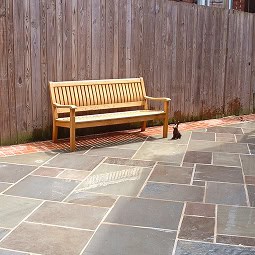
Patios
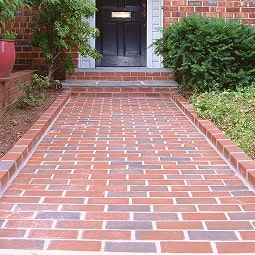
Walkways
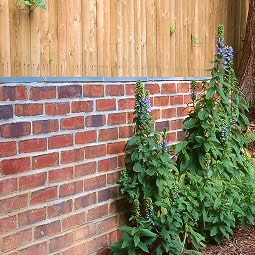
Retaining Walls


