






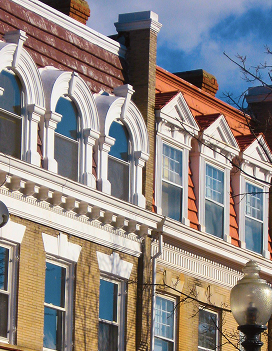
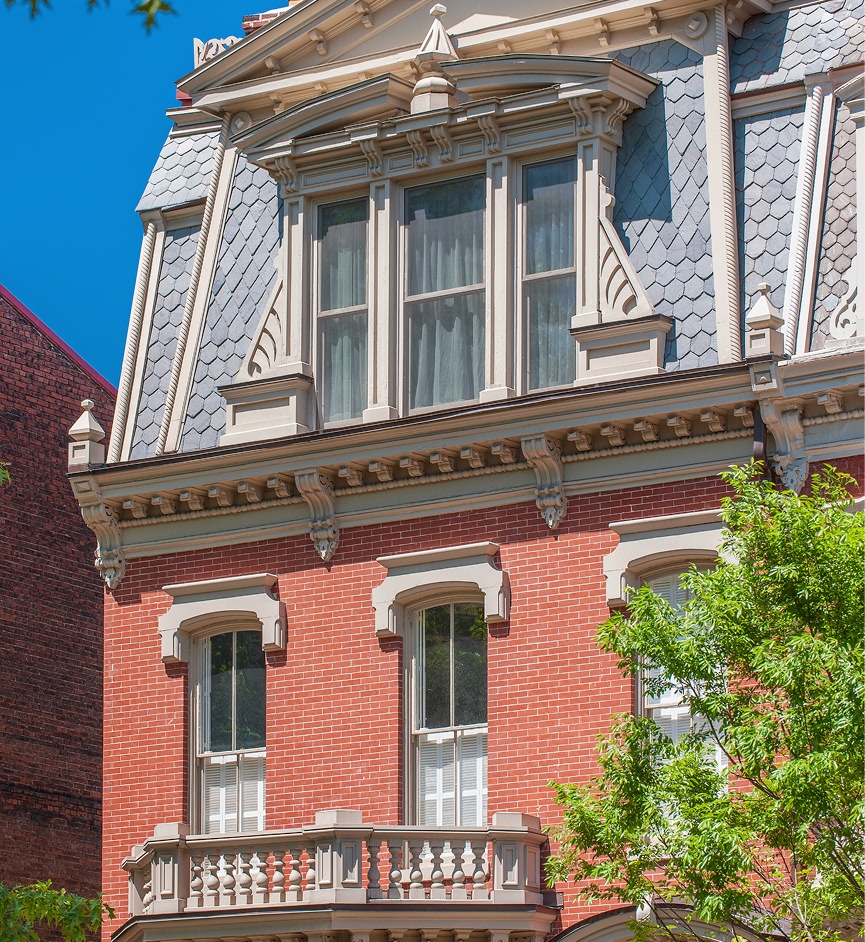
Historic Masonry Specialists
Brick Repair & Tuckpointing for Logan Circle Rowhouses and Facades
Logan Circle properties face a distinctive mix of Victorian-era brickwork, bay-front rowhouses, converted condos, active 14th Street storefronts, chimneys, stoops, and tightly spaced urban walls. As part of Renaissance Development's DC-wide masonry restoration services, we repair failing mortar, damaged brick, and moisture-prone masonry throughout Logan Circle and nearby Northwest DC.




- Logan Circle Historic District
- DC masonry company since 2004
- Victorian rowhouse repair experience
- Licensed & insured
Masonry Repair for Logan Circle Rowhouses, Condos, Storefronts, and Historic Facades
We work near Logan Circle, Rhode Island Avenue, Vermont Avenue, 13th Street, P Street, 14th Street NW, Church Street, Q Street, R Street, and the Greater Fourteenth Street Historic District.
Logan Circle is defined by some of DC's most recognizable Victorian-era masonry. Around the circle and nearby residential streets, grand brick rowhouses, bay-front facades, turrets, stone trim, chimneys, stoops, and garden walls sit close to apartment buildings, converted condos, churches, and the active 14th Street commercial corridor. Similar historic masonry conditions can be found in Dupont Circle's older rowhouses and apartment buildings. Many buildings date from the late nineteenth century, when Second Empire, Romanesque Revival, Queen Anne, and other Victorian styles shaped the neighborhood.
Renaissance Development evaluates brick, mortar joints, chimneys, stoops, cornices, parapets, painted surfaces, prior patches, moisture staining, settlement cracks, and areas around windows, rooflines, areaways, and party walls before recommending a scope of work. In Logan Circle, the right repair must balance historic fabric, visible street-facing facades, tight staging, condo coordination, and the practical realities of working near active residential and retail blocks.
Why Timely Repair Matters
Logan Circle Brick Problems Often Show Up on Bay Windows, Stoops, Chimneys, and Upper Facades
On Logan Circle buildings, masonry wear often starts where the wall is most exposed: mortar washing out below cornices, spalling brick on upper elevations, cracked joints around bay windows, loose brick at chimneys, failing stoop masonry, or dampness near basement areaways. Some problems come from age; others come from hard cement patches, paint, poor drainage, or years of weather exposure on prominent facades.
Timely repointing and brick repair can help protect original masonry, reduce water movement into the wall, and keep visible historic details from deteriorating further. The right repair depends on where the failure is happening and how it relates to the larger wall, not just the single crack or stain that first caught your attention.
Logan Circle Masonry Conditions to Watch For
- Recessed, sandy, or missing mortar on Victorian brick facades
- Cracks around bay windows, lintels, cornices, parapets, and rooflines
- Loose brick at chimneys, stoops, party walls, and upper elevations
- Spalled or flaking brick on street-facing walls exposed to weather and splashback
- White staining, dark streaks, or dampness near basement areaways or interior plaster
- Old cement patches that look too hard, raised, or mismatched against historic brick
- Painted masonry with peeling paint, hidden joint failure, or trapped moisture
- Garden walls, alley walls, and rear elevations with open joints or brick movement
How Tuckpointing and Brick Repair Work on Logan Circle Buildings
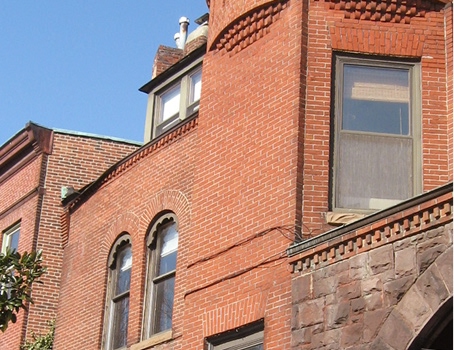
Tuckpointing & Repointing
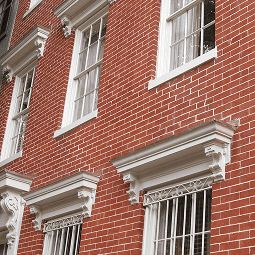
Tuckpointing, or repointing, removes loose and deteriorated mortar and replaces it with new mortar selected for the age and condition of the wall. On Logan Circle rowhouses, the joint profile, tooling, color, and texture should support the historic facade rather than flattening it into a generic patch.
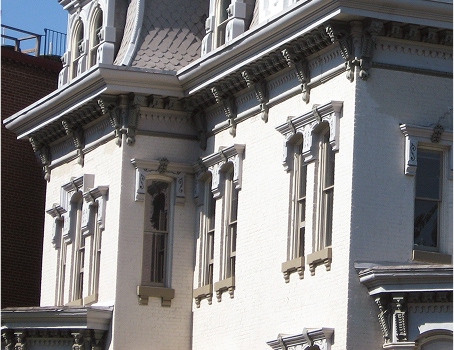
Brick Repair
Brick repair is needed when the brick itself is cracked, spalling, loose, or damaged by previous repairs. The goal is to preserve sound original masonry where possible, then blend selective replacement or localized repair into the existing wall.
Mortar Replacement
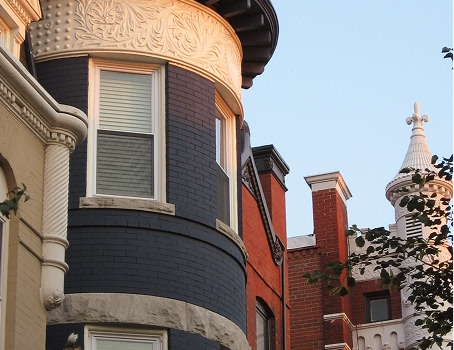
Many Logan Circle buildings combine older brick, stone trim, bay windows, later rear additions, painted surfaces, and masonry that has been repaired more than once. Mortar selection and sequencing should account for those layers so new work does not damage softer brick or trap moisture.
Stabilize Logan Circle Masonry Without Losing Its Victorian Character
- Repairs planned around Victorian brick, mortar, trim, stoops, and bay-front details
- Careful work on chimneys, facades, garden walls, alleys, and storefront masonry
- Recommendations that account for historic review, access, and long-term moisture control




Request a Free Masonry Estimate
Tell us what is happening at the property.
Describe the mortar, brick, chimney, facade, stoop, areaway, garden wall, or moisture issue you are seeing. Our team will follow up about your Logan Circle property and the next step.
Logan Circle Masonry Services for Rowhouses, Condos, and 14th Street Properties
Logan Circle masonry work often involves more than one condition at once. A rowhouse may have failing facade joints, a chimney with open mortar, a painted rear wall, a cracked stoop, and old patching around an areaway. A 14th Street property may involve storefront masonry, party walls, and active pedestrian access. We evaluate the full condition before recommending a repair plan.
01
Tuckpointing & Repointing
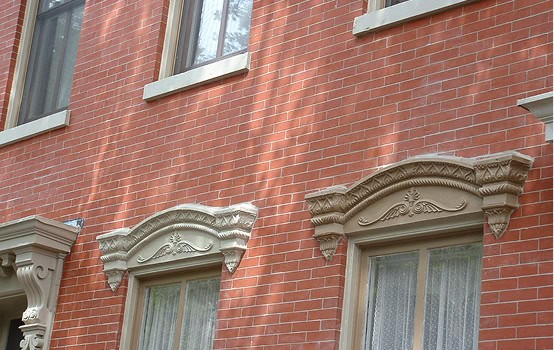
Careful removal and replacement of failing mortar on historic facades, bay-front walls, rear elevations, chimneys, stoops, and garden walls. We focus on joint depth, tooling, color, texture, and compatibility with older Logan Circle brick.
02
Mortar Repair & Restoration
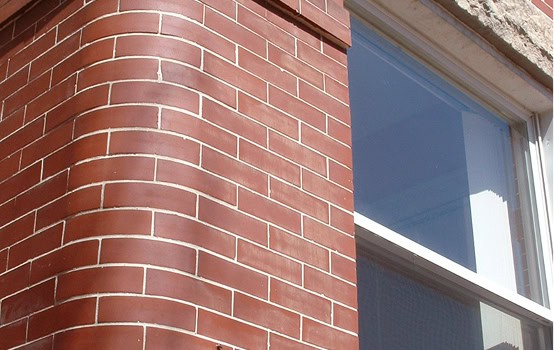
Targeted repair for missing, cracked, washed-out, or recessed mortar joints on residential and commercial masonry, including walls affected by roof runoff, splashback, paint, vines, or previous hard patching.
03
Brick Repair & Selective Replacement
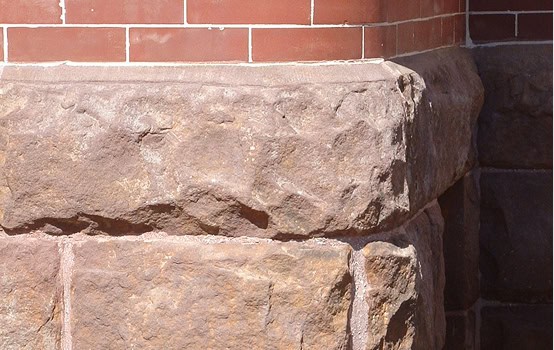
Repair of cracked, loose, broken, or spalled brick on facades, chimneys, stoops, parapets, areaways, and garden walls. When replacement is required, matching size, color, texture, and placement is part of the scope.
04
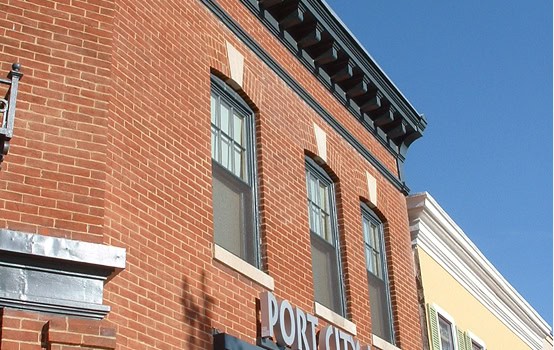
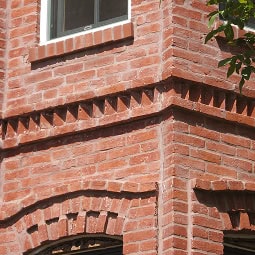
Brick Façade Restoration
Facade restoration can include repointing, removal of incompatible patches, selective brick replacement, crack repair, chimney tie-ins, and cleaning suited to the masonry. On Logan Circle streets, visible repairs need to sit naturally within the original Victorian composition.
05
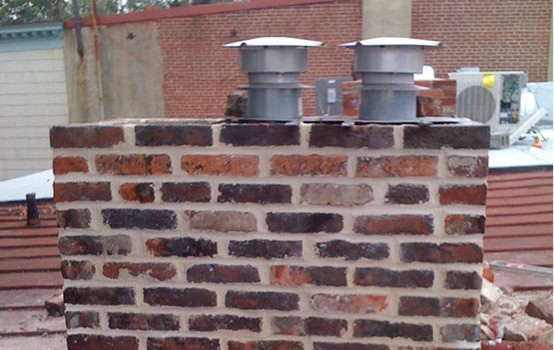
Chimney Repair
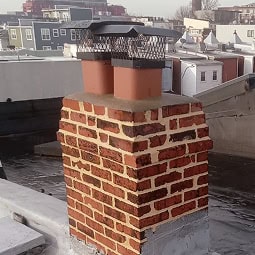
Logan Circle chimneys are exposed above rooflines and often show open joints, loose brick, spalling, or cap-related water entry. We evaluate the chimney and the surrounding wall so repairs address more than the most visible joint.
06
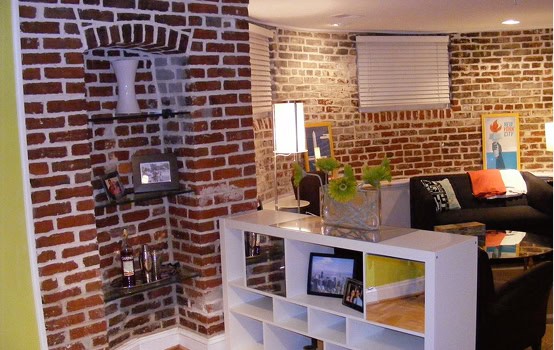
Painted & Interior Brick Evaluation
Painted brick and interior dampness need careful diagnosis. Paint can hide failing joints, trap moisture, and make it harder to tell whether water is entering through a wall, chimney, areaway, roofline, or previous patch.
Why Logan Circle Owners Choose Renaissance Development
Logan Circle owners need masonry work that respects historic architecture while fitting a dense, active neighborhood. Renaissance Development understands Victorian facades, condo and multi-owner coordination, 14th Street access, historic review considerations, and the need for repairs that look right from the sidewalk. We bring the same approach to historic rowhouse restoration in Capitol Hill.
Preservation-Minded Masonry Repair
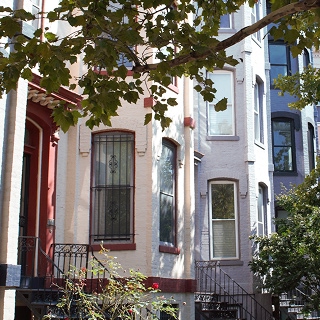
We approach Logan Circle masonry as preservation work first. We look at how the wall was built, how it has been altered, and which repairs will protect the building without erasing the historic character that makes the block valuable.
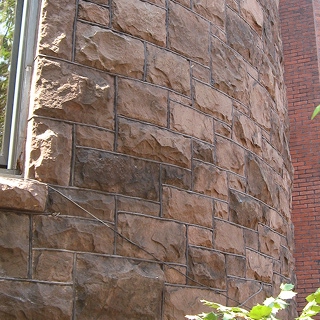
Attention to Detail That Matters
Mortar color, brick texture, joint profile, stone trim, bay-window details, and the meeting point between new and old work all affect the finished result. Small mismatches are easy to see on prominent Logan Circle facades.
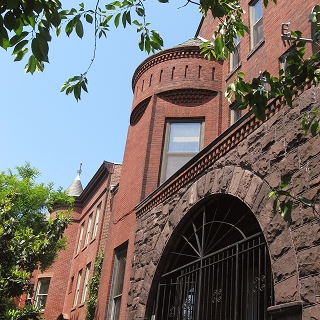
Comprehensive, Long-Term Solution
When one area fails, the symptom may not be the full problem. We look at drainage, rooflines, chimneys, paint, prior repairs, and adjacent walls so the scope addresses the cause instead of only the surface mark.
Washington, DC-Based Since 2004
Renaissance Development is based in Washington, DC and has served District property owners since 2004. In Logan Circle, our work is shaped by the neighborhood itself: ornamental brick facades, busy sidewalks, converted rowhouses, upper-story chimneys, basement areaways, and the need to protect adjacent homes and storefronts during repair.
Why Timely Repair Matters
Why the Right Masonry Approach Matters in Logan Circle
Victorian-era brickwork needs compatible mortar
Older Logan Circle masonry can be damaged by overly hard mortar or visually mismatched repairs. A good repair supports moisture movement while preserving the joint profile, texture, and rhythm of the historic facade.
Historic district review can affect visible work
Many properties in and around Logan Circle sit within historic district boundaries. Visible masonry repairs, facade changes, and replacement materials should be planned with review expectations in mind.
Busy blocks make staging part of the job
Projects near the circle, P Street, 14th Street, and surrounding residential blocks can involve sidewalks, narrow alleys, neighboring walls, occupied buildings, retail activity, and limited staging room. Planning protects both the work and the property.
Project Types We Handle in Logan Circle
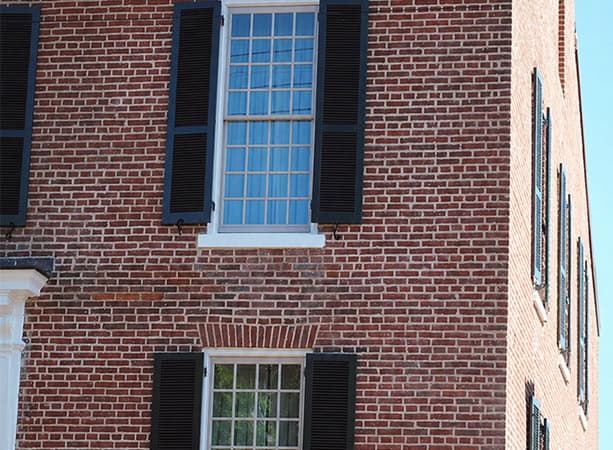
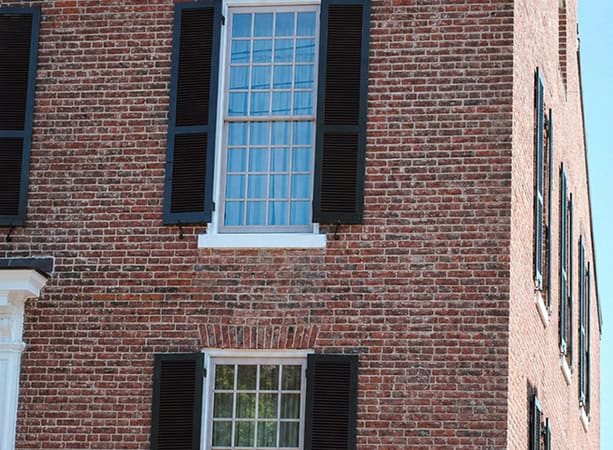
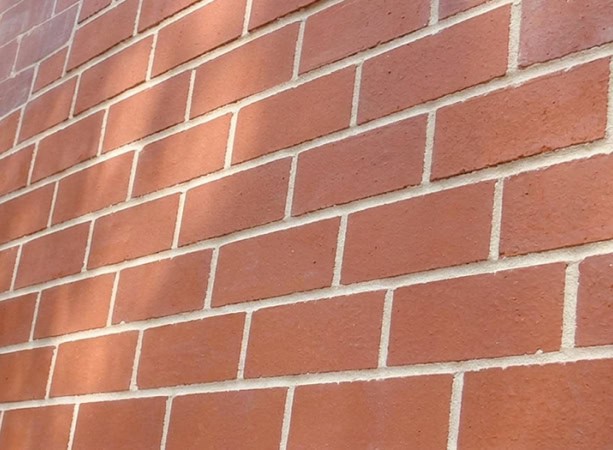
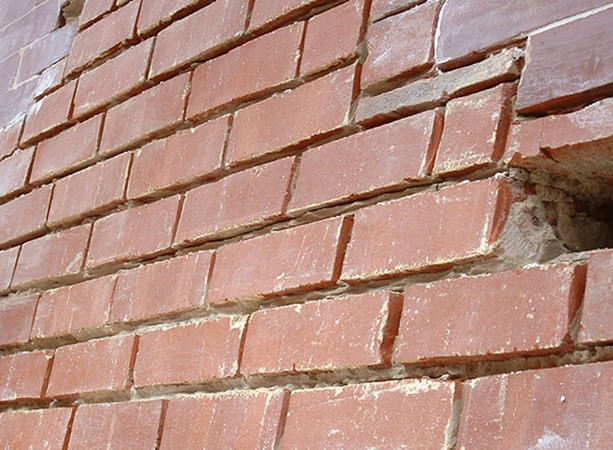
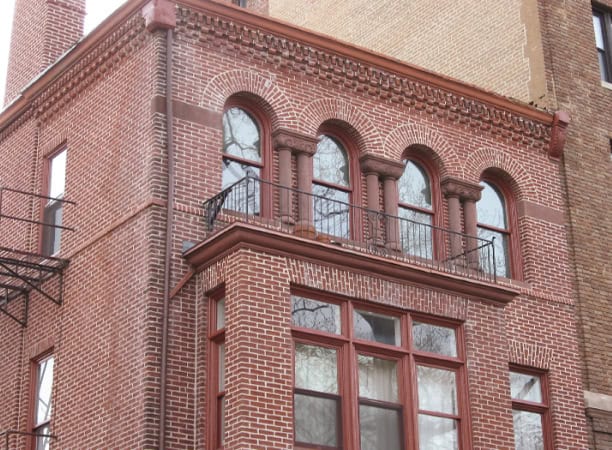
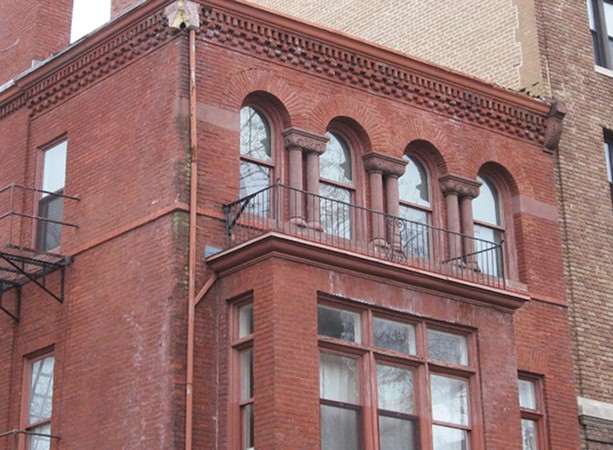
The examples below represent the kinds of masonry conditions Renaissance Development evaluates on historic DC buildings. Around Logan Circle, similar scopes often involve worn joints around bay windows, spalling brick near upper stories, chimney deterioration, cracked stoops, painted rear elevations, garden walls, and old patching that stands out against Victorian brick. The final repair plan comes from the building condition, not a generic location-page checklist.
What to Expect From Our Process
Look closely at the facade, not just the crack
We review mortar joints, brick faces, bay-window corners, lintels, chimneys, stoops, areaways, rear walls, painted masonry, old patches, and water paths around the building.
Separate age, water, and prior-repair issues
A Logan Circle wall may be failing because of normal mortar loss, trapped moisture, hard cement patching, roof runoff, chimney exposure, or movement around an opening. The repair plan starts with that diagnosis.
Coordinate the block conditions
We plan for sidewalks, occupied homes, condo access, storefront hours, neighboring party walls, alley access, and any historic-district review or permit needs before work begins.
Remove failed material with control
Mortar and damaged masonry are removed carefully so the surrounding historic brick is not scarred or loosened unnecessarily.
Rebuild the joint or repair area to suit the facade
Mortar placement, tooling, brick repair, cleaning, and final appearance are handled to fit the existing wall rather than announce a new patch.
Walk the completed areas with you
We review the finished repair, answer questions, and make sure the areas in the proposal have been addressed clearly.
Serving Logan Circle
Renaissance Development serves Logan Circle from our Washington, DC base, with work on Victorian rowhouses, condo buildings, storefronts, chimneys, stoops, garden walls, and exterior masonry. Logan Circle projects often require careful staging, neighbor awareness, and repair choices that respect both the property and the surrounding historic streetscape.
Logan Circle Masonry Repair FAQs
What does tuckpointing mean on a Logan Circle rowhouse?
For most owners, tuckpointing and repointing mean the same thing: removing failing mortar and replacing it with compatible new mortar. On a Logan Circle facade, the finished joint should match the wall in color, texture, depth, and tooling so the repair does not distract from the architecture.
Is the problem the mortar, the brick, or both?
Powdery, recessed, cracked, or missing joints point toward repointing. Spalling brick faces, loose units, broken corners, or failed patches point toward brick repair. Bay windows, chimneys, stoops, and areaways often show both conditions at the same time.
Why do older Logan Circle buildings need a special approach?
Older Logan Circle buildings often include Victorian-era brick, lime-based mortar, stone trim, bay-front facades, and walls altered over many decades. Repairs should be planned around original materials, moisture behavior, visible facade character, and any historic review requirements.
Can worn mortar around bay windows or chimneys lead to water problems?
Yes. Open joints and cracked masonry can let water move into the wall, especially around rooflines, chimneys, projecting bays, basement areaways, and painted brick. We evaluate the likely path of moisture before recommending a repair.
Will historic-district rules affect masonry work near Logan Circle?
They can. Work in the Logan Circle Historic District or Greater Fourteenth Street Historic District may require permits or historic-preservation review, especially when visible facades or replacement materials are involved. We factor those requirements into planning.
Can a repair blend into older Victorian brickwork?
That is the goal. We compare brick color, size, texture, mortar tone, aggregate, tooling, and joint profile so the new work sits quietly within the wall. Exact matches are not always available, but visible repairs should be selected and executed with care.
How long does masonry repair take on a busy Logan Circle block?
Schedule depends on access, weather, scope, scaffolding, sidewalk or alley conditions, chimney height, permit needs, and what is uncovered after failed mortar or brick is removed. The written proposal sets expectations for the specific property.
What affects the cost of masonry repair in Logan Circle?
Cost depends on repair area, access, scaffolding, mortar deterioration, damaged brick quantity, chimney or roofline work, review requirements, previous hard patches, and whether the project is a localized repair or a broader facade restoration.
Can I get an estimate before deciding on a full repair scope?
Yes. We provide free estimates and explain the visible conditions, the likely repair approach, and any next steps that may be needed before work begins.
Do you work on Logan Circle properties?
Yes. Renaissance Development serves Logan Circle, the 14th Street corridor, Shaw, Mount Vernon Square, Dupont Circle, U Street, LeDroit Park, Adams Morgan, Columbia Heights, and nearby Northwest DC neighborhoods. The company is based in Washington, DC at 323 C Street SE.
Restoration, Rejuvenation, Rebirth
Request a Masonry Inspection for Your Logan Circle Property
If your Logan Circle rowhouse, condo building, storefront, chimney, stoop, garden wall, areaway, or facade is showing failing mortar, loose brick, spalling, cracking, staining, or moisture intrusion, Renaissance Development can evaluate the condition and recommend the appropriate next step.
Tell us what you are seeing, and our team will follow up about the property.
Tuckpointing
Masonry Restoration
Chimney Repair
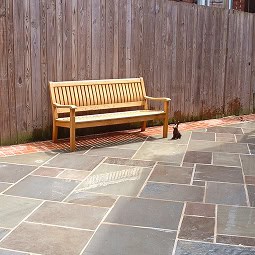
Patios
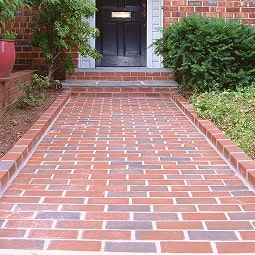
Walkways
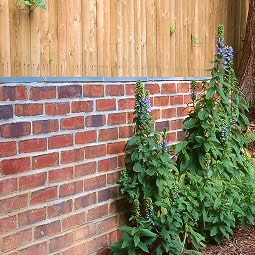
Retaining Walls


